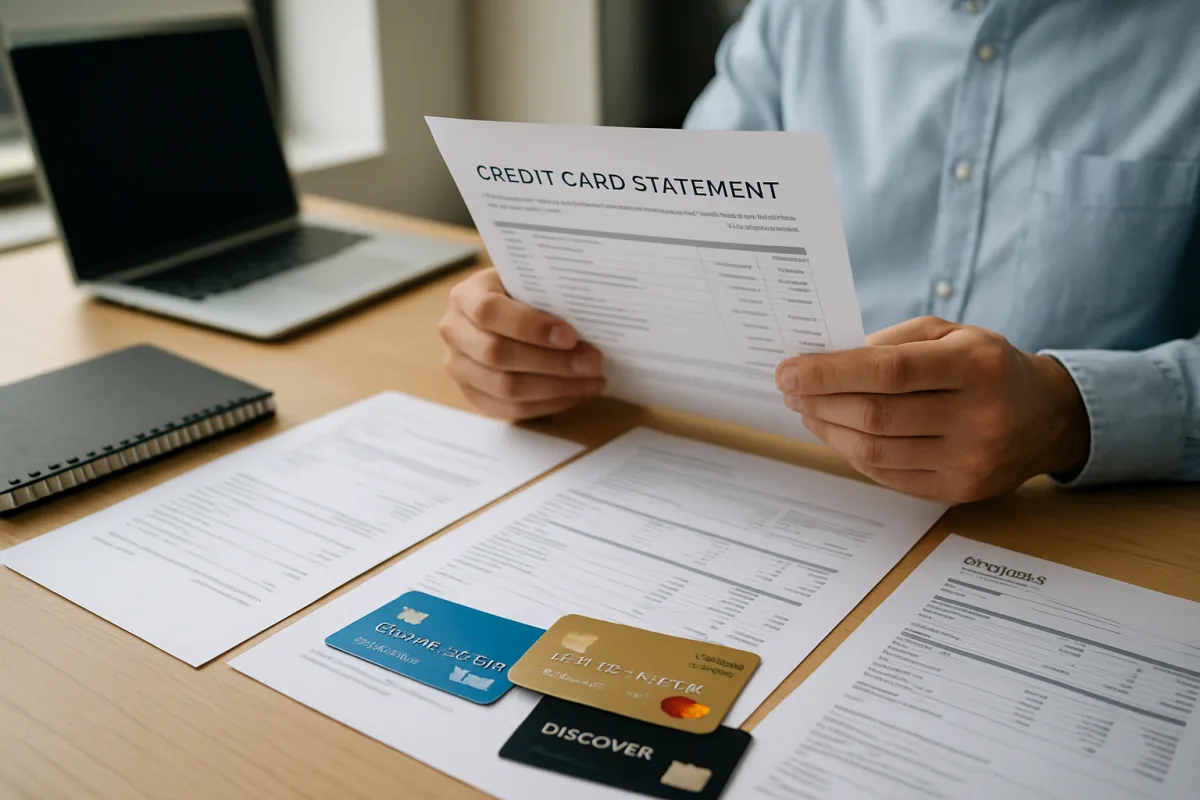
The Psychology of Rewards: How Consumer Behavior Shapes Credit Card Incentives
Understanding the psychology behind rewards programs is essential for maximizing your credit card benefits. As someone deeply immersed in the world of credit cards—whether it's choosing the best cash back credit cards or optimizing travel rewards—I've seen firsthand how consumer behavior influences the structure of these incentives. Rewards are designed not only to attract users but to tap into our psychological motivations, encouraging continued spending and brand loyalty. In this article, I’ll explore how consumer psychology shapes credit card rewards and how you can leverage this knowledge to your advantage.
How Consumer Psychology Influences Credit Card Rewards Programs
The Power of Reward Framing and Expectancy
One of the fundamental psychological principles at play in credit card rewards is *framing*. How a reward is presented significantly impacts our perception of its value. For example, offering a 5% cash back on groceries is more compelling when framed as “earn up to 5% on essential spending” rather than just listing the percentage. This positive framing activates the brain’s reward centers, making users more eager to earn and redeem benefits.
Expectancy theory also plays a role: the anticipation of future rewards motivates continued card usage. Knowing that consistent spending will lead to tangible benefits—like statement credits, travel points, or gift cards—encourages habitual use. As a result, credit card companies design rewards that align with consumers’ desires for immediate gratification and long-term gains.
"People are wired to chase rewards, and credit card companies know how to tap into this motivation to increase spending and retention." – Emma Roberts
The Role of Habit Formation and Behavioral Economics
Behavioral economics reveals that small incentives can lead to forming lasting habits. Credit cards with sign-up bonuses or no foreign transaction fees create quick wins for users, reinforcing the habit of using that card regularly. The more you use your credit card and see those rewards accumulate, the more your brain associates that card with positive outcomes.
Many reward programs incorporate gamification elements—like tiers, points multipliers, or milestones—which tap into our innate desire for achievement and progression. These tactics make the experience more engaging, leading to increased loyalty and spending.
My personal tip: When choosing a rewards credit card, opt for programs that make earning feel like a game. It’s just psychology in action, encouraging you to use your card more often.
Strategies to Maximize the Psychological Impact of Rewards
Leveraging Sign-up Bonuses and Limited-Time Offers
Sign-up bonuses are powerful because they trigger an immediate sense of accomplishment and potential. These offers tap into the desire for quick wins, providing an initial boost that motivates ongoing engagement. My advice is to target cards with generous bonuses that align with your spending habits, whether it's travel, dining, or everyday essentials.
Limited-time offers create urgency through scarcity—our brain perceives scarce opportunities as more valuable. Taking advantage of these deals can substantially accelerate your rewards accumulation and make the experience more exciting.
Tip: Set reminders for upcoming offers or deadlines to ensure you don’t miss out on these psychologically impactful opportunities.
The Importance of Visual and UX Design
The way rewards and statements are visually presented impacts user engagement. Clear, visually appealing dashboards that show progress toward reward thresholds motivate continued spending. Companies understand that positive visual feedback stimulates dopamine release, reinforcing behaviors that earn more rewards.
Personally, I pay close attention to how intuitive and rewarding a credit card's app experience is. If the interface makes earning and redeeming rewards feel satisfying and effortless, I’m more likely to use that card often.
In my experience, the best rewards programs are those that make you *see* your progress. It’s psychology at play—motivate the user visually, and they’ll stay engaged longer.
Understanding Consumer Behavior to Make Smarter Choices
Aligning Rewards with Your Personal Spending Habits
To optimize your rewards, it's crucial to understand your own spending patterns. Consumers tend to maximize benefits when their credit card rewards match their lifestyle, whether that’s travel, dining, or everyday shopping. Analyzing your typical expenditures not only guides you to the best credit cards—like travel rewards for frequent flyers or cashback for groceries—but also taps into your intrinsic motivations.
For example, someone who frequently travels should consider premium travel credit cards with bonus points for flights and hotel stays, while someone focused on saving on groceries might prefer cash back cards offering high rates in that category. When rewards align with your habits, the psychology of reward satisfaction kicks in, motivating you to use your card more consistently.
My personal recommendation: Avoid chasing rewards that don’t match your lifestyle. It’s tempting to get the latest high-reward card, but aligning benefits with your habits creates a more satisfying, psychologically rewarding experience.
Managing the Perception of Reward Value
Consumers often perceive the value of rewards differently depending on how they’re presented. For instance, earning 1 point per dollar might seem underwhelming initially, but when you consider redemption options—like free flights or gift cards—it can become highly valuable.
Additionally, framing rewards as “free” or “bonus” makes them feel less like additional spending and more like gains. For example, a cashback offer that emphasizes "get back $200 when you spend $1,000" feels more tangible than just stating a percentage rate, influencing consumer perception positively.
It's essential to remember that your perception of reward value significantly impacts your motivation to use a particular card. Optimizing the way rewards are framed can make a substantial difference in your overall credit strategy.
FAQs: How Does Consumer Psychology Impact Credit Card Rewards?
Why do limited-time offers motivate consumers to spend more?
Limited-time offers create a sense of urgency, triggering our fear of missing out (FOMO). This psychological mechanism pushes consumers to act quickly to secure benefits, often leading to increased spending during the promotional window.
How do visual cues enhance reward engagement?
Visual cues—like progress meters, colorful dashboards, or reward milestones—stimulate dopamine release by providing immediate feedback. This positive reinforcement encourages users to continue using their credit cards to achieve further rewards.
Can reward framing influence my perception of value?
Absolutely. Framing rewards as “free,” “bonus,” or “limited-time” can make them seem more attractive and attainable. This perception impacts your motivation to pursue and redeem rewards more actively.
The Psychology of Rewards and How It Shapes Smarter Credit Card Choices
Understanding the psychology behind credit card rewards is crucial for maximizing benefits and making informed financial decisions. Consumer behavior, including reward framing, visual cues, and habit formation, significantly influences how we perceive and utilize credit card incentives. Recognizing these psychological triggers allows you to select the right cards that align with your lifestyle and spending habits, ultimately enhancing your financial well-being.
By leveraging strategies like targeted sign-up bonuses, limited-time offers, and reward programs designed for engagement, you can transform your credit card usage into a more rewarding experience. Incorporating personal insights and mindful planning ensures that rewards serve your financial goals instead of just encouraging unnecessary spending. The most effective way to benefit from credit card incentives is to use psychology consciously—making choices that motivate you while protecting your financial health.
"People are wired to chase rewards, and when you understand the psychological angles, you can turn credit card benefits into powerful tools for your financial growth." – Emma Roberts
Now is the time to take control of your rewards strategy. Review your current credit cards, identify those aligned with your habits, and look for opportunities to optimize your benefits through smarter, psychologically informed choices. Remember, the key to maximizing credit card rewards is not just about earning more but about using your knowledge to make deliberate, rewarding decisions—so start today and make your finances work harder for you!