The Psychology Behind Credit Card Design: How Visuals and Incentives Shape Your Spending in 2026
In 2026, the way credit cards are designed—visually, structurally, and through their offered incentives—plays a crucial role in influencing consumer behavior. From color schemes and branding to reward programs and sign-up bonuses, every element is carefully crafted based on psychological principles to maximize engagement and spending. Understanding these design strategies helps savvy consumers make better financial choices and avoid unnecessary debt traps.
How Visual Elements of Credit Cards Influence Spending Behavior
Color Psychology and Branding
Color plays a pivotal role in how we perceive credit cards. Bright reds and oranges tend to evoke excitement and urgency, encouraging users to spend more impulsively, while blues and greens are associated with trust and stability, leading to more cautious spending. For example, some of the best cashback credit cards utilize bold, vibrant designs to catch your eye and prompt activation of offers.
Branding also impacts perceived value. Premium-looking cards with metallic finishes and sophisticated logos foster a sense of exclusivity that can subconsciously motivate cardholders to utilize rewards more frequently or strive for higher spending thresholds to unlock benefits. This visual messaging taps into the human desire for status, especially with the best travel and rewards credit cards that emphasize luxury and prestige.
Gina's insight:
"A well-designed credit card isn't just about aesthetics—it subtly signals status and security, nudging consumers to spend confidently or cautiously based on their financial goals."
Visual Incentives and Reward Program Presentation
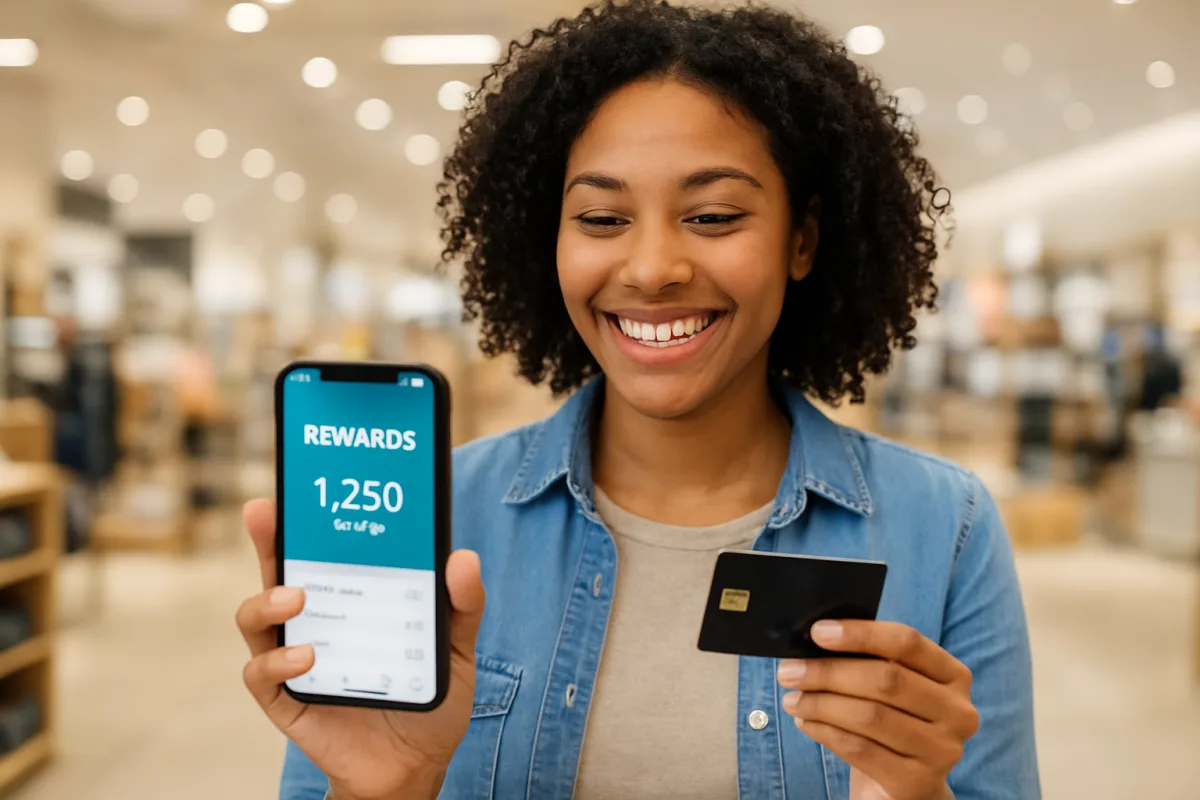
Beyond the card's physical design, how rewards and incentives are visually presented significantly affects user engagement. Clear, colorful icons indicating cashback rates, travel points, or sign-up bonuses make it easier to understand the benefits at a glance, increasing the likelihood that users will maximize rewards.
For instance, the best credit cards for bad or fair credit often feature prominent display of their introductory 0% APR offers and low-interest rates with vibrant badges or banners. These visuals communicate value immediately, helping consumers prioritize cards that will help rebuild credit or save money during large purchases.
In my experience, straightforward visual cues—like progress bars showing rewards earned—encourage ongoing use and engagement, reinforcing the behavior the issuer hopes to promote.
Psychological Incentives Embedded in Credit Card Rewards and Promotions
The Power of Sign-Up Bonuses and Limited-Time Offers
Sign-up bonuses are a cornerstone of credit card marketing, often employing scarcity and urgency to prompt quick decisions. Limited-time offers and exclusive perks stimulate a fear of missing out (FOMO), nudging potential applicants to act fast. The best rewards credit cards often feature eye-catching banners and countdown timers to reinforce this sense of urgency.
These visual cues effectively trigger dopamine release, making users feel rewarded and motivated to accrue points or cashback. For example, a bright "Earn up to $200 in bonus rewards" badge or a flashing countdown to reward expiration greatly increases conversion rates.
Gina's tip:
"Leveraging the human response to scarcity—whether through limited-time sign-up bonuses or exclusive rewards—dramatically boosts application rates and active usage."
Incentives and Behavioral Economics
Incentives such as cashback percentages, annual fee waivers, and travel perks are often framed visually in ways that influence decision-making. The best no annual fee credit cards typically emphasize simplicity, with clean layouts and prominent bonus indicators to attract cost-conscious consumers.
Research shows that presenting rewards visually as achievable milestones—like "Earn $150 cashback after spending $1,000 in three months"—increases the likelihood of behavioral compliance. Clear graphics and step-by-step visuals demystify complex reward structures, encouraging users to maximize their benefits without feeling overwhelmed.
My personal opinion: I believe the most successful credit card designs balance clean visuals with honest, transparent messaging—trust is ultimately the foundation for long-term loyalty.
Design Strategies to Maximize Your Credit Card Rewards in 2026
Leveraging Reward Icons and Progress Trackers
Many of the best business and student credit cards now incorporate visual progress trackers that display how close you are to earning a bonus or reaching the next reward tier. These visual motivators tap into our innate desire for achievement and help maintain engagement over time.
Utilizing cards with user-friendly reward icons—such as stars, dollar signs, or travel symbols—helps users quickly interpret their rewards status and encourages continued spending on category-specific bonuses like dining, travel, or groceries.
For example, some secured credit cards designed to rebuild credit include progress bars that visually demonstrate how close you are to unlocking a better rate or additional benefits, turning a mundane process into an engaging journey towards improved credit health.
Visual Cues for Responsible Spending
Some low-interest and balance transfer credit cards incorporate visual alerts, such as color-coded notifications when nearing your credit limit or approaching the end of a promotional rate period. These cues serve as gentle reminders to stay cautious and avoid overspending.
Personally, I find that I’m more likely to stick to my budget when my credit card app displays clear, visual feedback—like green for safe, yellow for caution, and red for danger zones. Effective visual cues can help you become more consciously aware of your spending habits and harness the psychological power behind well-designed interfaces.
Do Credit Card Designs Influence Your Financial Behavior?
Question:
Can the visual design of a credit card truly influence my spending habits?
Answer:
Yes, the visual design—colors, branding, icons, and reward presentation—all tap into subconscious cues that can encourage increased spending, better reward tracking, or cautious budgeting. Smartly designed cards leverage psychological principles such as color psychology, FOMO, and achievement motivation to influence your financial behavior positively or negatively.
The Impact of Credit Card Design on Your Financial Behavior in 2026
In 2026, credit card design—encompassing visuals, branding, and reward presentation—significantly influences how consumers perceive and utilize their credit cards. Thoughtful and strategic design elements harness psychological principles like color psychology, FOMO, and achievement cues to shape spending habits, either encouraging smarter financial choices or unintended overspending.
Understanding these design strategies empowers consumers to recognize when visual cues are guiding their behavior, allowing for more conscious decision-making. Whether you’re choosing a rewards card, managing balances, or rebuilding credit, being aware of how aesthetics and incentives are crafted can lead to better financial outcomes and a more intentional approach to credit use.
"Design is not just about aesthetics—it's about subtly guiding behavior and building trust, which ultimately determines your relationship with credit over time." — Gina Barton
If you want to make smarter credit decisions in 2026, start by evaluating how your credit cards' visuals and rewards align with your financial goals. Choose cards that promote responsible usage and transparency, and stay vigilant about how design influences your spending. Your financial health depends on it—so be a conscious consumer and leverage your knowledge to maximize benefits while avoiding pitfalls.