Introduction
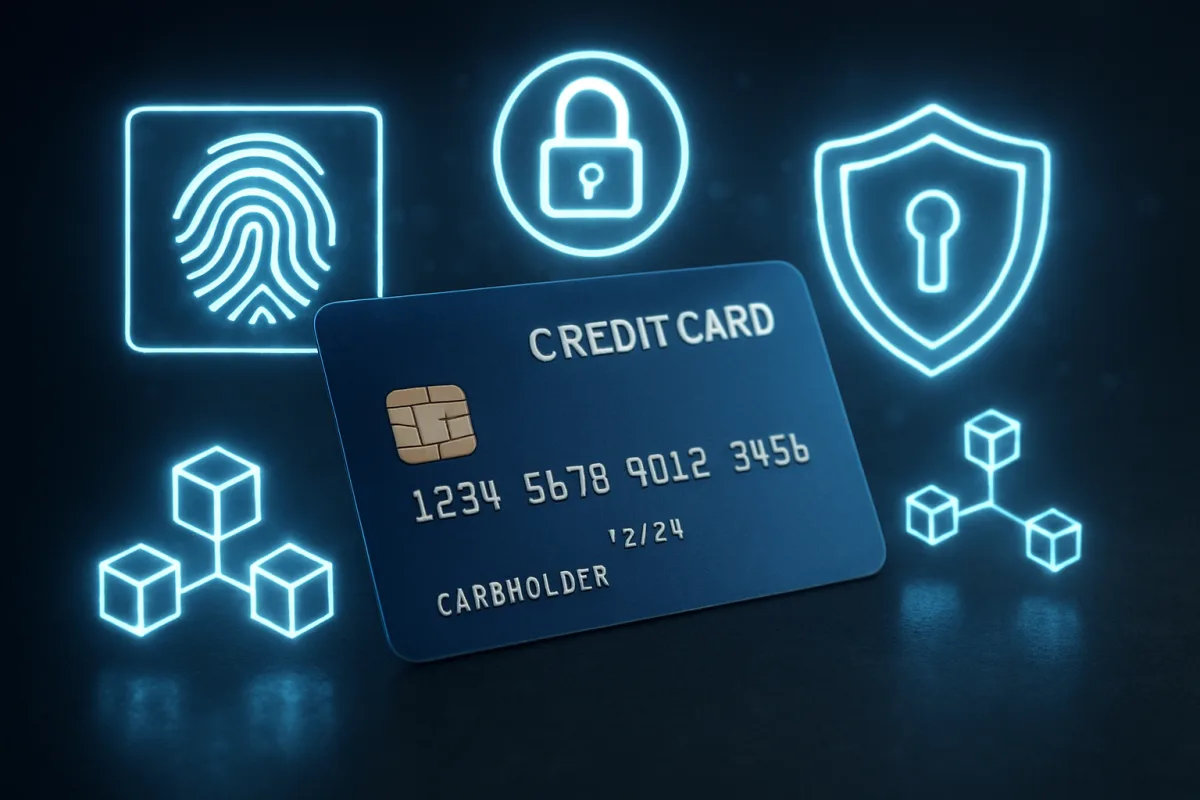
As the world becomes increasingly digital, the security of your credit card data is more critical than ever. With cyber threats evolving rapidly and financial fraud incidents on the rise, staying ahead with cutting-edge technology is essential to protect your personal and financial information. In 2026 and beyond, innovative security measures are transforming how credit card companies safeguard sensitive data, giving consumers greater peace of mind and confidence when making transactions online or in-store. This article explores the latest advancements in credit card security and how these technologies are shaping the future of financial safety.
The Evolution of Credit Card Security
From Magnetic Stripes to EMV Chip Technology
Decades ago, credit cards relied heavily on magnetic stripes, which, while simple, proved vulnerable to skimming and cloning. Today, EMV chip technology has become the standard across the globe, providing a more secure method for card verification. Microprocessor chips generate unique transaction codes each time the card is used, rendering stolen data useless for future fraudulent attempts. This dynamic authentication drastically reduces card-present fraud and enhances overall security.
In 2026, EMV technology continues to evolve, integrating contactless payments and NFC (Near Field Communication) capabilities for faster, more secure transactions. These improvements minimize physical contact, which not only improves convenience but also reduces the risk of data interception during card swipes.
Tokenization: Protecting Your Data in the Digital Age
Tokenization substitutes sensitive credit card information with non-sensitive tokens that are useless to hackers if intercepted. When you make a purchase online or via a mobile app, your actual card details are replaced with a randomly generated token stored securely within the payment ecosystem. This process ensures that even if data is compromised, your real card information remains protected.
Leading financial institutions and payment processors are now implementing tokenization at multiple levels, from e-commerce transactions to in-store payments, creating a robust barrier against data breaches. Especially notable are their applications in best credit cards for bad/ fair credit categories, where ensuring security is essential for consumers with higher fraud risk.
Advanced Authentication Methods
Biometric Verification
Biometric authentication—using fingerprint scanning, facial recognition, or even voice recognition—is revolutionizing transaction security. In 2026, many credit card companies and banking apps now incorporate biometric verification, making it nearly impossible for unauthorized users to access your accounts or authorize payments without your unique biometric data.
For example, mobile wallets such as Apple Pay and Google Pay leverage fingerprint or facial recognition to authenticate transactions, combining convenience with formidable security. Biometric data is stored locally on the device, not in the cloud, further reducing risks associated with data breaches.
Multi-Factor Authentication (MFA)
Multi-Factor Authentication adds multiple layers of verification, which can include a password, a biometric check, and a one-time passcode sent via SMS or email. This method ensures that even if one factor is compromised, hackers cannot complete a transaction without additional proof of identity. Many credit card issuers now require MFA for online account access, enhancing applicant and user security.
Some banks also utilize behavioral biometrics—monitoring typing patterns, device handling, or geolocation data—to detect anomalies and flag potentially fraudulent activity in real-time.
Artificial Intelligence and Machine Learning Integration
Real-Time Fraud Detection
Artificial Intelligence (AI) and Machine Learning (ML) algorithms play a pivotal role in identifying suspicious activity swiftly. By analyzing vast amounts of transaction data, AI systems can detect patterns typical of fraudulent behavior, such as unusual spending locations, sudden high transactions, or abnormal purchase categories.
In 2026, these intelligent systems adapt continuously, learning from new threats and constantly updating their detection criteria. This dynamic approach significantly reduces false positives while ensuring genuine transactions are processed smoothly, especially for consumers seeking best rewards credit cards or best travel credit cards.
Predictive Analytics for Future Threats
Predictive analytics leverages AI to anticipate potential security breaches before they occur. By analyzing trends and emerging fraud techniques, financial institutions can proactively implement safeguards and alert customers to suspicious activity. This proactive stance helps protect consumers in various credit card categories, including those with poor credit history or in need of secured credit cards to build credit.
End-to-End Encryption and Secure Payment Channels
Encryption in Transit and at Rest
Encryption remains fundamental to protecting credit card data. In 2026, the latest encryption standards ensure data transmitted during payment processes are securely scrambled, making interception futile. Similarly, stored data within systems is encrypted at rest, safeguarding against internal breaches or malicious hacking attempts.
Many fintech firms are adopting end-to-end encryption (E2EE), ensuring that data remains encrypted from the point of capture through to the payment processor, minimizing vulnerabilities at each stage.
Secure Payment Gateways
Modern payment gateways utilize multi-layered security protocols, including TLS (Transport Layer Security), fraud screening, and secure APIs. These gateways act as gatekeepers for online transactions, verifying device authenticity, integrating biometric verification, and applying AI-driven fraud detection. This comprehensive approach fortifies the entire payment ecosystem, particularly beneficial for best business credit cards and instant approval credit cards.
Future Trends and Innovations in Credit Card Security
- Quantum Cryptography: Using quantum computing principles to develop unbreakable encryption methods for financial data, making hacking virtually impossible.
- Decentralized Verification: Blockchain technology enabling transparent, tamper-proof verification of transactions and card ownership.
- Behavioral Biometrics: Enhanced AI systems analyzing user behavior over time to detect and prevent fraudulent activity proactively.
As technology continues to evolve, these advancements will further enhance the security of credit cards, ensuring that consumers can enjoy their benefits—whether cash back, rewards, or travel perks—with greater confidence and peace of mind.
Biometric-Integrated Card Technologies
As biometric authentication becomes standard for smartphones and devices, credit card manufacturers are developing biometric-integrated cards that embed fingerprint sensors directly into the card surface. In 2026, these biometric cards provide a seamless and highly secure method for cardholder verification without needing separate devices or apps.
Upon inserting or tapping the card, the user simply authenticates with their fingerprint to authorize a transaction. This biometric verification is processed locally on the card or via secure cryptographic modules, ensuring that biometric data never leaves the card itself. Such cards are particularly advantageous for high-value transactions, online banking logins, or access to secure accounts.
Businesses and consumers alike can benefit from these innovations by reducing reliance on PINs or passwords, which can be forgotten or stolen. Moreover, biometric cards offer enhanced security for best credit cards for bad credit or secured credit cards to build credit, where fraud mitigation is crucial. As adoption grows, biometric-integrated cards are poised to become a new standard in personal financial security.
Blockchain-Based Security Frameworks
Blockchain technology is revolutionizing credit card security by providing decentralized, transparent, and tamper-proof transaction records. In 2026, financial institutions are increasingly leveraging blockchain to establish secure verification methods and streamline cross-border payments. By decentralizing data storage, blockchain significantly diminishes the risk of data breaches and fraud.
Implementing blockchain for credit transactions offers multiple benefits:
- Immutability: Once verified, transactions can’t be altered or tampered with, providing strong audit trails.
- Enhanced Privacy: Zero-knowledge proofs enable verification without exposing sensitive data.
- Decentralized Verification: Eliminates single points of failure and reduces reliance on centralized entities prone to attack.
For consumers, this translates into more secure online shopping experiences, especially when combined with other technologies like tokenization and multi-factor authentication. Blockchain’s transparent nature also fosters trust in financial ecosystems, making it an ideal backbone for future credit and payment infrastructures.
Adaptive Security Protocols in Real-Time
Future credit card security systems are expected to continually adapt based on real-time analytics. These adaptive protocols monitor transactions dynamically, adjusting security measures on the fly according to detected risks. For example, if an unexpected high-value purchase occurs in a foreign country, the system might trigger additional verification steps or temporarily halt the transaction pending user confirmation.
In practice, this involves integrating AI, behavioral analytics, and contextual data such as device type, location, time, and past user behaviors. Banks and credit card issuers can now deploy these adaptive protocols to reduce false declines and enhance user experience without compromising security.
Practically, consumers should benefit from fewer disruptions when making legitimate purchases. Meanwhile, fraudsters face increased difficulty as transaction attempts are continuously scrutinized and adjusted in response to evolving threat patterns. This proactive and personalized approach ensures that security is maintained while keeping transactions smooth and effortless for genuine users.
Enhanced Cloud Security and Multi-Layered Data Protection
The migration of financial data to cloud environments necessitates robust security measures that go beyond traditional encryption. In 2026, advanced cloud security frameworks incorporate multiple layers of protection, such as secure enclaves, access controls, and continuous threat monitoring. Cloud providers are employing AI-driven anomaly detection to identify suspicious activity instantaneously and respond proactively.
Moreover, financial institutions are adopting zero-trust architecture models, which assume no device or user is inherently trustworthy—requiring continuous authentication and least-privilege access controls. This approach minimizes the risk of internal or external breaches impacting credit card data.
For consumers, these advancements mean that their transaction data and personal information remain secure, even as more payment activities shift online. Additionally, practices like regular security audits, multi-layered firewalls, and encrypted data backups further fortify defenses against evolving cyber threats, ensuring your credit data stays protected throughout its lifecycle.
Conclusion
As we look toward 2026 and beyond, the landscape of credit card security is transforming at an unprecedented pace, driven by innovations like biometric-integrated cards, blockchain frameworks, and adaptive, real-time security protocols. These cutting-edge technologies work in harmony to provide a safer environment for your financial transactions, reducing fraud risks and offering you greater peace of mind. Meanwhile, advancements in encryption, cloud security, and AI-driven fraud detection continue to strengthen defenses, ensuring that your sensitive data remains protected regardless of how or where you choose to make your purchases.
Staying informed about these developments is essential for making smarter choices when selecting credit cards that align with your needs—whether for rewards, travel, or building credit. Take proactive steps today by exploring options that incorporate the latest security features and by practicing good digital habits. Your financial safety depends on leveraging innovative solutions and remaining vigilant in a rapidly evolving digital world. Don’t wait—embrace the future of secure credit card usage and safeguard your financial well-being now.