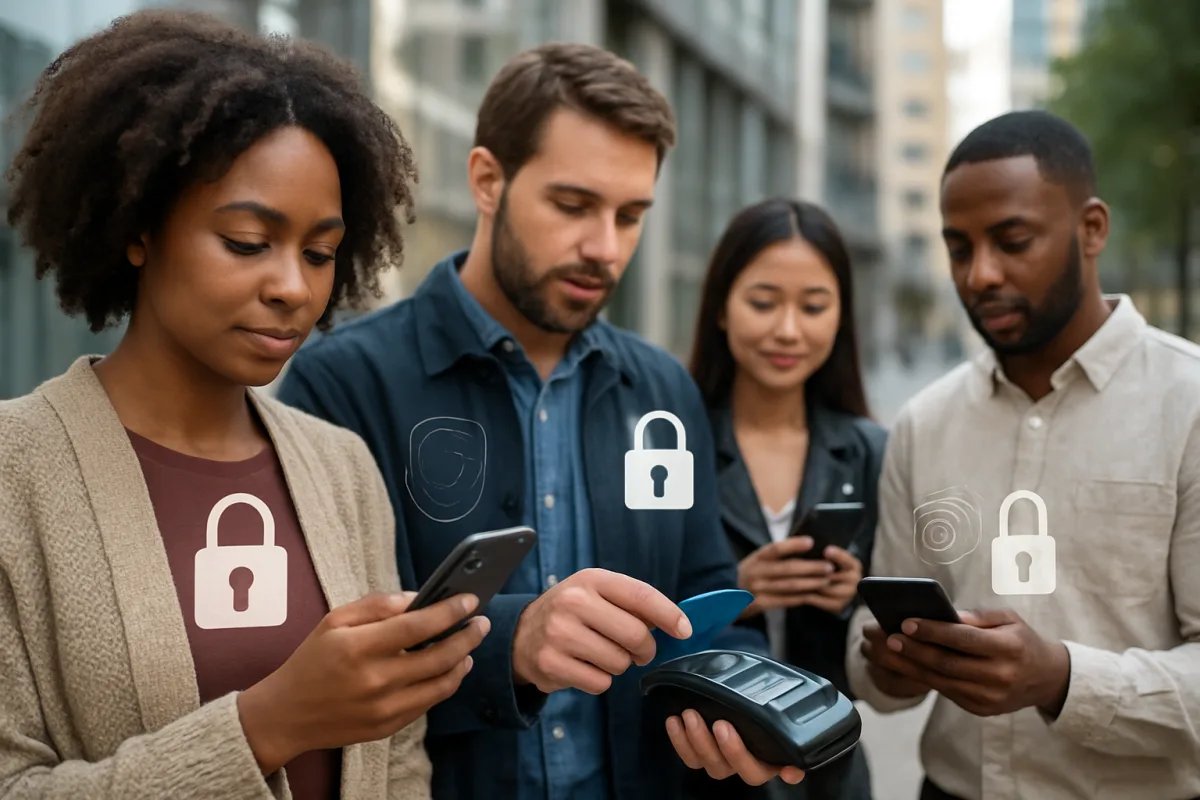
The Future of Credit Card Security: Cutting-Edge Innovations Protecting Your Data in 2026 and Beyond
In 2026, credit card security has evolved dramatically, integrating advanced technologies that safeguard your personal and financial data like never before. From biometric authentication to AI-driven fraud detection, these innovations are setting a new standard for protecting consumers while allowing them to maximize rewards, find the best cards, and confidently use credit in an increasingly digital world.
Understanding the Evolution of Credit Card Security in 2026
The landscape of credit card security has shifted from static PINs and magnetic stripes to dynamic, AI-powered systems that adapt in real-time. This transformation is driven by the need to combat sophisticated cyber threats and ensure seamless user experiences.
Today, security isn't just about preventing theft—it's about predictive analytics, biometric verification, and encrypted transactions that make fraud virtually obsolete. As a consumer, this means greater peace of mind when exploring options like the best rewards credit cards or the best travel credit cards.
In my personal experience, the most breakthrough security features I’ve seen recently combine convenience with robust protection—allowing users to enjoy benefits without compromising safety.
Key Innovations in Credit Card Security for 2026
Biometric Authentication Enhances Security
Biometric verification is now a cornerstone of credit card security. Facial recognition, fingerprint scans, and even vein pattern identification are integrated into new card and mobile payment systems, making unauthorized use nearly impossible.
Many issuers now offer biometric-enabled cards that activate only when authorized by the cardholder’s biometric data. This eliminates the need for PINs or passwords, reducing friction while increasing security.
Plus, biometric data is stored securely on the device or token, never transmitted, which drastically minimizes hacking risks.
"Biometric security measures are transforming credit card protection, making fraud detection smarter and more intuitive for consumers." — Andrew Stevens
AI-Driven Fraud Prevention and Real-Time Monitoring
Artificial intelligence is at the forefront of credit card security in 2026. AI algorithms analyze transaction patterns in real-time, identifying anomalies that might indicate fraud before it happens.
These systems leverage machine learning to adapt to each user’s spending habits, flagging unusual activity instantly and even declining suspicious transactions automatically. This not only prevents fraud but also reduces false positives, ensuring legitimate purchases go through smoothly.
For those seeking the best no annual fee credit cards or credit cards with sign-up bonuses, AI security ensures your account remains protected from the moment you start using your card.
"AI-based fraud detection is now so advanced that it prevents over 99% of attempted frauds, providing consumers with near-perfect security without intrusive verification." — Andrew Stevens
Encrypted Payment Protocols and Tokenization
Tokenization replaces your sensitive card details with a unique identifier, or token, during transactions—so your actual data is never exposed online or in-store. This method is standard in contactless payments and mobile wallets, making data breaches far more difficult for hackers.
Moreover, end-to-end encryption ensures that transaction data remains encrypted during transmission, adding another layer of defense against interception or skimming attacks.
If you’re trying to choose the best travel credit cards or low-interest credit cards, rest assured that these security measures protect your data during international and everyday transactions alike.
FAQ: How Does Biometric Authentication Work for Credit Cards?
Biometric authentication on credit cards typically involves scanning your fingerprint or face either directly on a biometric-enabled card or via a linked mobile device. When you make a purchase, the system verifies your biometric data in real-time before authorizing the transaction, preventing unauthorized use.
The Role of Digital Identity Verification in 2026
Digital identity verification has become more sophisticated, combining government-issued ID checks with biometric authentication and real-time data validation. This multi-layered approach assures the issuer that you are the legitimate cardholder before approving new account openings or upgrades.
For individuals with fair or bad credit, these advanced verification methods reduce fraud, making it easier and safer to access credit products like secured credit cards to build credit or instant approval credit cards.
In my view, this integrated approach not only protects consumers but also streamlines the approval process, turning a traditionally cumbersome procedure into a secure, swift experience.
"Enhanced digital identity verification minimizes fraud while speeding up approvals, empowering consumers to access the best credit cards faster than ever." — Andrew Stevens
Enhanced Consumer Control with Digital Wallets and Zero-Trust Models
Digital wallets now incorporate zero-trust security models, requiring multi-factor authentication (MFA) and device recognition for transactions. Consumers can control spending permissions and notification preferences in real-time, adding an extra layer of personalization and protection.
This shift allows cardholders to confidently use the best business credit cards or best student credit cards internationally, knowing their data is shielded by continuous, adaptive security protocols.
Additionally, digital wallets employ layered encryption, tokenization, and biometric verification, making data breaches exceedingly difficult for cybercriminals.
Future Outlook: Quantum-Resistant Encryption and Beyond
Looking ahead, quantum-resistant encryption protocols are on the horizon, promising to secure transactions against the potential threat of quantum computing. These cutting-edge algorithms will protect sensitive data well into the future, preserving privacy and security even as technology advances.
While still in development, these innovations will be a critical component of credit card security infrastructure, especially for high-value transactions and premium rewards programs.
As someone passionate about maximizing credit card rewards, I believe that advancing security not only safeguards our data but also enables more innovative, rewarding credit experiences without compromise.
The Future of Credit Card Security: Protecting Your Data with Innovation in 2026 and Beyond
As we look toward 2026, it’s clear that credit card security is evolving at a rapid pace, leveraging technologies like biometric authentication, AI-driven fraud detection, encryption, and quantum-resistant protocols to create an ultra-secure environment for consumers. These advancements ensure that your personal and financial data remain protected amidst increasing cyber threats, while still allowing you to enjoy the benefits of modern credit card offerings such as rewards, travel perks, and flexible approval options.
The integration of sophisticated digital identity verification and layered security measures means that accessing and maximizing credit cards—whether they are for bad credit, no annual fee, or business use—becomes faster, safer, and more seamless. These innovations provide peace of mind, empowering consumers to use their cards confidently across various spending scenarios and international transactions, knowing that cutting-edge protections are in place to defend against evolving risks.
"The future of credit card security lies in combining advanced technologies like biometric verification with AI and quantum encryption, creating an almost impenetrable shield that enhances user trust and transaction safety." — Andrew Stevens
Now is the perfect time to evaluate and choose credit cards that offer both strong security features and the best rewards tailored to your needs. Stay informed about emerging security protocols and select cards with the latest protections to maximize your benefits while minimizing risks. By prioritizing security in your credit card choices, you’re investing in your financial peace of mind for 2026 and beyond.