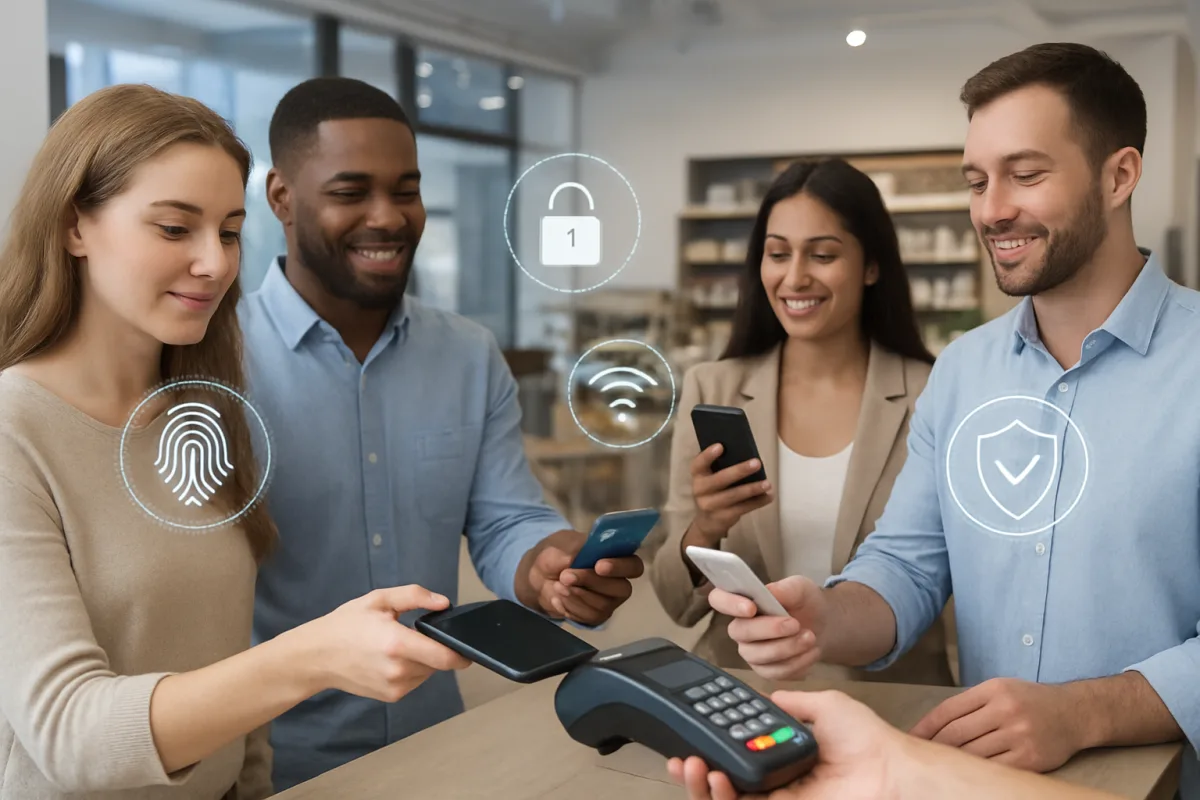
The Evolution of Credit Card Security in 2026: Emerging Technologies Protecting Your Data
In 2026, credit card security has reached new heights thanks to cutting-edge technologies like biometric authentication, AI-driven fraud detection, and blockchain-based verification systems. These innovations not only safeguard your financial information but also provide seamless and frictionless transaction experiences. As someone deeply immersed in the world of credit cards—from best rewards programs to low interest options—I've seen firsthand how security advancements are transforming the landscape, offering both peace of mind and enhanced convenience for consumers in all credit segments.
Understanding Modern Credit Card Security Technologies in 2026
Biometric Authentication: Fingerprints, Facial Recognition, and Beyond
Biometric authentication is now standard on many premium and even some entry-level credit cards. Using fingerprint scans, facial recognition, or iris scans, these cards significantly reduce identity theft risks because you are the unique key to access your account. For example, major issuing banks have integrated fingerprint readers directly on physical cards or mobile apps, making unauthorized use nearly impossible without your biometric data.
Another innovation is behavioral biometrics, which analyze patterns such as typing speed, device handling, and swiping behaviors. These dynamic security measures adapt to your unique habits, creating a layered defense against stolen credentials or cloned cards.
From my experience, biometric security not only enhances protection but also improves user experience by eliminating the need for PINs and passwords, which can be vulnerable to hacking or shoulder surfing.
"Biometric authentication in 2026 is effectively closing the door on traditional fraud vectors, making stolen card data much less valuable." — Patrick Riley
AI-Powered Fraud Detection and Real-Time Monitoring
Artificial Intelligence has become the backbone of fraud prevention in credit card transactions. Banks now deploy AI algorithms that analyze millions of data points—such as transaction location, merchant type, spending amount, and time—to identify suspicious activity almost instantly. When an anomaly is detected, accounts can be automatically frozen or flagged for review, preventing fraud before it occurs.
This real-time monitoring means your credit card is constantly protected without any manual intervention. Many issuers even leverage machine learning to adapt to your spending habits over time, minimizing false positives and ensuring genuine transactions aren’t hindered.
From my perspective, the smartest approach to credit card security today combines AI with user-centric features, creating a proactive shield that evolves with emerging threats.
"In 2026, the integration of AI into credit card security is the most significant leap forward, vastly reducing fraud losses and increasing consumer trust." — Patrick Riley
Blockchain and Distributed Ledger Technology (DLT): New Foundations for Trust
Blockchain technology is increasingly being embedded into the backend infrastructure of credit card networks to enhance transparency and security. By leveraging decentralized ledgers, every transaction is cryptographically secured and recorded across multiple nodes, making tampering exceedingly difficult.
Some innovative credit card products now use smart contracts—self-executing contracts with the terms directly written into code—to verify transactions and prevent unauthorized use. This decentralized approach reduces reliance on traditional clearinghouses and enhances security at every step.
While mainstream adoption is still unfolding, blockchain’s potential to eliminate fraudulent chargebacks and ensure authentic transaction verification is promising—you’re basically transacting on an immutable digital ledger.
Advanced Security Features Built Into Credit Card Design in 2026
Dynamic CVV Codes for Enhanced Payment Security
Dynamic Card Verification Value (CVV) codes are a breakthrough in card design. Unlike static CVVs printed on the back of cards, these codes change periodically—often every few hours or days—and are synchronized with your bank’s secure servers. This makes stolen card data useless for online or card-not-present transactions unless the attacker has real-time access to the updated CVV.
Many new credit cards and mobile payment apps now incorporate this feature, significantly reducing the risk of credential theft in e-commerce. It also acts as an additional layer of security during online checkout processes, especially with the rise of frequent fast payments.
From my experience, dynamic CVVs are a game-changer, especially for users engaged in high-volume online shopping or managing multiple accounts.
"Dynamic CVV technology gives consumers a proactive defense against stolen card data, making card-not-present fraud much harder to succeed with." — Patrick Riley
EMV Chip Improvements and Contactless Security
EMV chip technology continues to evolve, with enhancements like dual-interface chips that support both contact and contactless transactions. New chips incorporate advanced encryption methods capable of generating dynamic cryptograms on microsecond intervals, further reducing the risk of skimming and cloning.
For contactless payments, security protocols now include tokenization—substituting your actual card details with a one-time-use token—which drastically diminishes the impact of data breaches. Many issuers also require multi-factor authentication for contactless transactions over certain thresholds, adding an extra security layer.
In my view, the combination of robust EMV chip technology and tokenization ensures that contactless and chip transactions are safer than ever before, even in crowded retail settings.
The Future of Credit Card Security: What Consumers Should Know
FAQs: Emerging Security Tech in 2026
What is biometric authentication on credit cards?
Biometric authentication involves using your unique biological features—such as fingerprints or facial features—to verify your identity during transactions, eliminating reliance on PINs or passwords and enhancing security.
How does AI improve credit card fraud detection?
AI analyzes vast amounts of transaction data in real-time to spot anomalies indicative of fraud. It can flag or automatically block suspicious activity, offering a proactive defense against theft and unauthorized use.
What role does blockchain play in credit card security?
Blockchain provides a decentralized, tamper-proof ledger for verifying transactions, reducing the risk of fraudulent chargebacks and improving transparency across the payment network.
Security experts agree that as these technologies mature and become more widespread, the vulnerability landscape will shift dramatically—making credit cards safer than ever for consumers across all credit tiers.
"The convergence of biometric security, AI, and blockchain heralds a new era where credit card fraud could become nearly obsolete—at least for legitimate users." — Patrick Riley
The Future of Credit Card Security in 2026: A Personal Perspective
As credit card security technologies continue to advance rapidly in 2026, consumers now benefit from unprecedented protection through biometric authentication, AI-driven fraud detection, and blockchain-based verification systems. These innovations collectively create a safer, more seamless payment experience, reducing vulnerabilities and making fraud significantly more difficult for criminals to exploit.
While the landscape has become increasingly sophisticated, it’s important for consumers to stay informed about emerging security features and leverage them to protect their finances. Combining these technological advances with smart behaviors—such as avoiding sharing sensitive information and regularly monitoring accounts—empowers users to maximize their security and peace of mind. The evolving ecosystem not only enhances safety but also sets the stage for a future where credit card fraud becomes largely obsolete for legitimate users.
As someone who has seen the rapid march of security innovations firsthand, my personal belief is that the combination of biometrics, AI, and blockchain will make credit card theft almost entirely preventable in the years to come. My recommendation is to prioritize cards and accounts that incorporate these cutting-edge features to ensure your data remains protected in 2026 and beyond.
Now is the perfect time to review your current credit cards, seek out those with the latest security enhancements, and adopt best practices for digital security. Staying proactive will help you enjoy the rewards and convenience of credit cards without sacrificing peace of mind. Don’t wait—take control of your financial security today and ensure you're prepared for the innovations that will define the future of payments.