Rapid Credit Building After Financial Setbacks: A Strategic Step-by-Step Guide
If you've faced financial setbacks and need to rebuild your credit quickly, adopting a targeted, strategic approach is essential. The best way to bounce back involves understanding your current credit standing, choosing the right credit products, and leveraging rewards and incentives. By following a step-by-step plan, you can restore and even improve your credit profile efficiently, setting the stage for better financial opportunities in 2026.
"Rebuilding credit after setbacks requires intentionality and smart choices—using the right credit cards can make all the difference." — Lily Evans
Assess Your Current Credit Situation and Set Clear Goals
Analyze Your Credit Reports and Scores
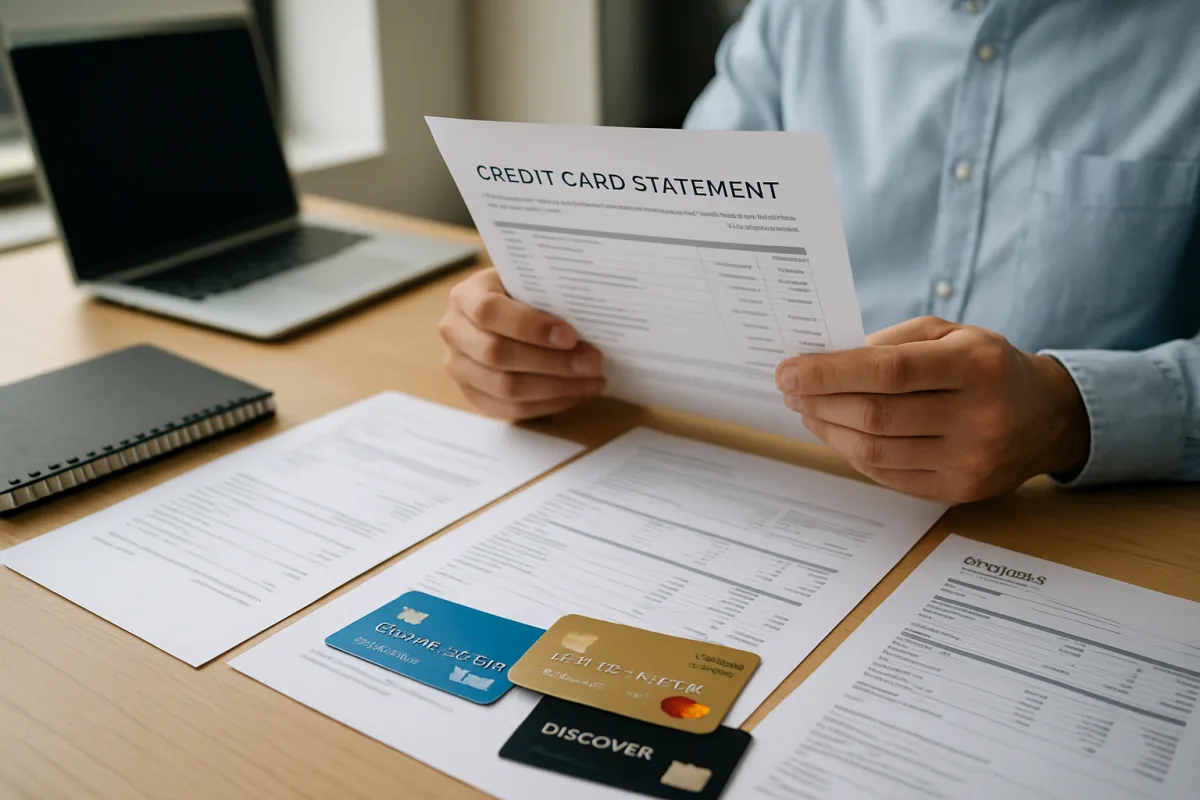
The first critical step is obtaining your free credit reports from the three major bureaus—Equifax, Experian, and TransUnion. Carefully review each report for inaccuracies, overdue accounts, or outdated information that could be negatively impacting your score. Understanding your current credit profile helps you identify areas needing improvement and sets a baseline for your rebuilding efforts.
In 2026, your credit score can fluctuate significantly depending on correct or incorrect data. Correcting errors alone can boost your score by up to 100 points, according to recent statistics. Document any discrepancies and dispute them proactively.
Set specific, measurable goals—for example, improving your FICO score by 50 points in three months or securing a certain credit limit. Clear objectives provide motivation and direction throughout your rebuilding journey.
Define Your Timeline and Budget
Decide how quickly you want to rebuild your credit—whether in 3, 6, or 12 months—and plan your financial moves accordingly. Be realistic about your budget; managing debt responsibly is crucial for improving your score and maintaining financial health.
Prioritize paying down existing debts, especially high-interest credit cards, while avoiding new unnecessary debts. A well-defined timeline keeps your efforts focused and measurable.
Remember, consistent, responsible credit use over time produces the best results. Patience and persistence are your allies in this process.
Choose the Right Credit Products for Rapid Credit Rebuilding
Secured Credit Cards to Build or Rebuild Credit
Secured credit cards are an ideal entry point for those with bad or fair credit. They require a cash deposit as collateral, which often becomes your credit limit. This limits spending and helps build positive credit history with responsible use.
In 2026, many secured cards offer no annual fee, generous rewards programs, and even instant approval options, making them more accessible than ever. Make sure to choose a secured card reported to all three bureaus to maximize credit-building potential.
Promptly paying your secured card bill in full every month is the most effective way to demonstrate responsible credit behavior and improve your score over time.
Unsecured Credit Cards with Friendly Approval Criteria
If your credit score is borderline or improved enough to qualify, consider unsecured credit cards designed for fair or rebuilding credit. These often offer lower credit limits and higher APRs, but they provide a path to establish or rebuild credit without initial deposits.
Look for credit cards with no annual fee, manageable interest rates, and the possibility of upgrading once your credit profile improves. Some cards also come with sign-up bonuses, which can give you extra rewards or cashback to start your journey.
Remember, responsible use—keeping utilization low and paying on time—is key to accelerating your credit rebuild.
Leverage Balance Transfers and Introductory 0% APR Offers for Debt Management
Utilize Balance Transfer Credit Cards
Balance transfer credit cards with 0% introductory APR offers are powerful tools for consolidating debt and reducing interest payments during your credit rebuild phase. Transferring high-interest debt onto a card with no interest for 12-18 months gives you breathing room to pay down balances faster.
In 2026, many balance transfer cards waive balance transfer fees if used wisely—be sure to read the fine print. Aim to pay off the transferred balance within the promotional period to avoid accruing high interest charges.
Strategically using balance transfers demonstrates responsible debt management—an important factor in improving your credit profile.
Steps for Successful Balance Transfers
- Check your credit card issuer’s eligibility criteria for balance transfers.
- Calculate your total debt and choose a card with an adequate limit and a long 0% interest window.
- Plan your repayment schedule to clear the debt before the promotional rate expires.
Executing balance transfers with discipline can erase a significant portion of your debt, positively impacting your credit utilization ratio, and thus your score.
Improve Your Credit Fast with Responsible Practices and Smart Credit Use
Consistently Make On-Time Payments
Your payment history is the most influential factor in your credit score calculation—making timely payments every month is fundamental. Setting up automatic payments or reminders ensures you never miss a due date, which can cause score drops and late fees.
Even a single late payment can stay on your credit report for up to seven years, so cultivating punctuality is crucial during your credit rebuilding phase.
In my experience, even if you need to start with small credit limits or minimal usage, maintaining payment promptness yields rapid improvements over time.
Keep Utilization Low and Manage Credit Limits Wisely
Keep your credit utilization ratio below 30%, and ideally under 10%, for optimal scoring benefits. This means if your total credit limit across all cards is $1,000, try to keep your balance below $300.
Use your existing credit responsibly—don't max out your cards—and avoid opening multiple new accounts simultaneously, which can temporarily ding your score.
Regularly monitor your credit reports and scores to track progress and make adjustments if you notice utilization creeping upward.
Build a Diverse Credit Profile
Having different types of credit—such as an installment loan and revolving credit—can positively influence your score once managed responsibly. Consider options like a small personal loan or a secured card alongside your credit cards.
Applying for new credit sparingly and strategically can diversify your credit mix, but avoid excessive inquiries, which may temporarily lower your score.
In my opinion, balancing different credit types thoughtfully can accelerate your credit-building process and demonstrate financial discipline to lenders.
Maximize Rewards and Incentives During Your Rebuild
Choose Reward-Focused Credit Cards
Even during your credit recovery phase, selecting credit cards with rewards programs—such as cashback, travel points, or sign-up bonuses—can help you get more value from your spending. Look for cards tailored for fair or rebuilding credit with cashback offers or no annual fees.
Many cards in 2026 also offer sign-up bonuses that, once met via responsible use, can give you a financial boost or purchase power. Use these rewards to pay down debt or save for future goals.
While rewards are enticing, always prioritize responsible usage and timely payments over chasing benefits—credit health comes first.
How to Maximize Rewards Effectively
- Use your credit card for regular, budgeted expenses—like groceries or utilities.
- Always pay your bill in full to avoid interest charges that negate rewards benefits.
- Monitor your rewards and redemption options frequently to optimize benefits.
Personally, I believe combining credit-building strategies with reward optimization creates a win-win: you improve your credit rapidly while gaining tangible benefits for your spending.
Conclusion: Your Path to Rapid Credit Recovery in 2026 and Beyond
Rebuilding your credit after setbacks is a strategic process that requires careful planning, disciplined habits, and informed choices. By assessing your current credit report, selecting the right mix of secured and unsecured credit cards, and leveraging balance transfer offers responsibly, you can significantly improve your credit score within months. Consistency in making on-time payments, maintaining low utilization, and diversifying your credit profile are fundamental steps that lead to a stronger financial foundation.
Maximizing rewards and incentives while managing debt wisely not only accelerates your credit recovery but also provides tangible benefits along the way. The key is to prioritize responsible credit behavior over chasing perks—building a positive credit history is the most effective way to open future financial opportunities. Remember, each responsible decision you make today sets the stage for a healthier financial future in 2026 and beyond.
"Taking deliberate, strategic actions today can transform a damaged credit profile into a strong financial asset tomorrow. Consistency and responsible habits are your best tools for a successful rebuild." — Lily Evans
If you're serious about repairing your credit, now is the perfect time to start implementing these strategies. Review your credit reports, set clear goals, and choose the credit products that align with your financial situation. With persistence and smart choices, you'll be well on your way to achieving your financial goals and unlocking new opportunities in 2026 and beyond.