How to Safely Improve Your Credit Score Without Increasing Debt Risk
Improving your credit score quickly while minimizing risk requires safe, deliberate credit habits rather than high-risk moves or unnecessary borrowing. The foundation of creditworthiness is built on consistent behaviors—such as timely payments, prudent credit utilization, and thoughtful credit product selection—that over time raise your score without causing debt issues. This measured approach secures your financial standing and provides a gateway to better credit card opportunities in the future.
Key Credit Score Factors to Prioritize for Safe Improvement
Optimizing your credit score begins with a clear understanding of the main factors influencing it and how to focus your energy on what matters most. Your credit score is determined by several components:
- Payment history: Whether you consistently pay your bills on time strongly affects your credit standing. A record of on-time payments builds trust, while late or missed payments cause noticeable harm.
- Credit utilization: This ratio compares your outstanding balances to your total credit limits across all cards. The lower this percentage, the more responsible you appear. Even if you pay off cards monthly, high reported balances can suppress your score.
- Credit mix: Handling different types of credit, like cards and installment loans, can help your profile. This shows you can manage a variety of accounts responsibly.
- Inquiries: Each time you apply for credit, a hard inquiry records on your file and may nudge your score down for a short time. Checking your own score or monitoring doesn’t have this effect.
Focus on building a positive record in each area. Instead of pursuing shortcuts, understand that improvements come from a track record of responsible habits and patience.
I always emphasize that understanding how your credit score is calculated is the first step toward improvement—knowledge puts you in control, preventing unnecessary risks while you build a solid financial foundation.
Strategies to Lower Credit Utilization Without Spending More
Improving your credit utilization—the ratio of credit card balances to limits—is a powerful, safe way to boost your score. You should aim to keep utilization under one-third of your available credit, although even lower is typically better. Instead of spending more to appear active, focus on these practical techniques:
- Request a credit limit increase: Your issuer may approve a higher limit if your payment record is strong and your finances are stable. This immediately lowers your utilization if your spending remains unchanged. Only pursue this if you can avoid the temptation to increase spending.
- Pay balances early or multiple times per month: Paying down your balance before the statement closes can keep your reported utilization low. You can also make payments throughout the billing cycle, not just at the due date.
- Avoid high balances when reports are generated: Even temporary spikes in balance may affect your reported utilization, so track your spending and try not to use most of your available credit at any one time.
This approach lets you demonstrate strong credit habits without taking on debt or risky behavior. It shows that you can handle available credit responsibly, which steadily improves your score.
In my experience, the best way to maintain low utilization is to keep your spending within your means and seek credit limit increases only when you have solid control over your finances. Overspending to achieve a higher limit defeats the purpose and creates unnecessary risks.
Build a Strong Payment Record With Automation
A flawless on-time payment record is the top way to safely boost your credit score. Since payment history contributes the most to your score, prioritizing punctuality is paramount. Just one late payment can cause a notable drop and lead to late fees or higher interest charges.
The simplest safeguard is to set up automatic payments with your card issuer or bank. Schedule at least the minimum monthly payment, and ideally the full statement balance, to prevent any late marks on your report. Automation helps you avoid forgetfulness or life’s distractions, and reinforces consistent habits.
Keep an eye on your linked payment account to ensure sufficient funds, preventing overdrafts or failed payments. For more practical ways to leverage autopay for credit building and rewards, see this resource. Consistency, helped by technology, lays a solid foundation for both credit health and financial peace of mind.
In my experience, the habit of paying on time consistently—enabled by automation—is the clearest path to creditworthiness without the pitfalls of debt or missed deadlines.
Limit Hard Credit Inquiries and Apply for Cards Selectively
Minimizing new credit applications and associated hard inquiries is important for maintaining and growing your credit score. Each hard pull temporarily lowers your score; multiple inquiries close together can amplify the effect. Instead of applying for multiple cards at once, select the credit cards that meet your immediate and future needs, whether that’s cash back, rewards, or credit building.
Space out applications by several months, allowing your score to recover between them. Focus on quality: only apply for cards that align with your goals and eligibility to avoid unnecessary denials or dings to your file. Research card features and requirements in advance.
From my experience, the key is quality over quantity: applying for one carefully chosen card that suits your financial needs is far better than chasing every deal and hurting your score in the process.
Maximize Rewards and Bonuses Without Adding Debt
Credit card rewards and sign-up bonuses can benefit your financial strategy, if used responsibly. Treat rewards as an extra for wise spending, not as an incentive to inflate your expenses. Use your credit card for everyday purchases you’d make regardless—then pay the balance in full each month to sidestep interest.
When pursuing sign-up bonuses, always budget so you meet minimum spending with planned purchases only. Select the best credit cards for your habits, such as cards that offer cash back on your regular spending categories or travel points for planned trips. For deeper insights on avoiding the psychological pitfalls of chasing bonuses, visit this guide.
I believe that treating your credit card as a financial tool rather than a spending invitation is the best approach to improve your credit safely while enjoying rewards.
Monitor Credit Reports and Dispute Any Errors
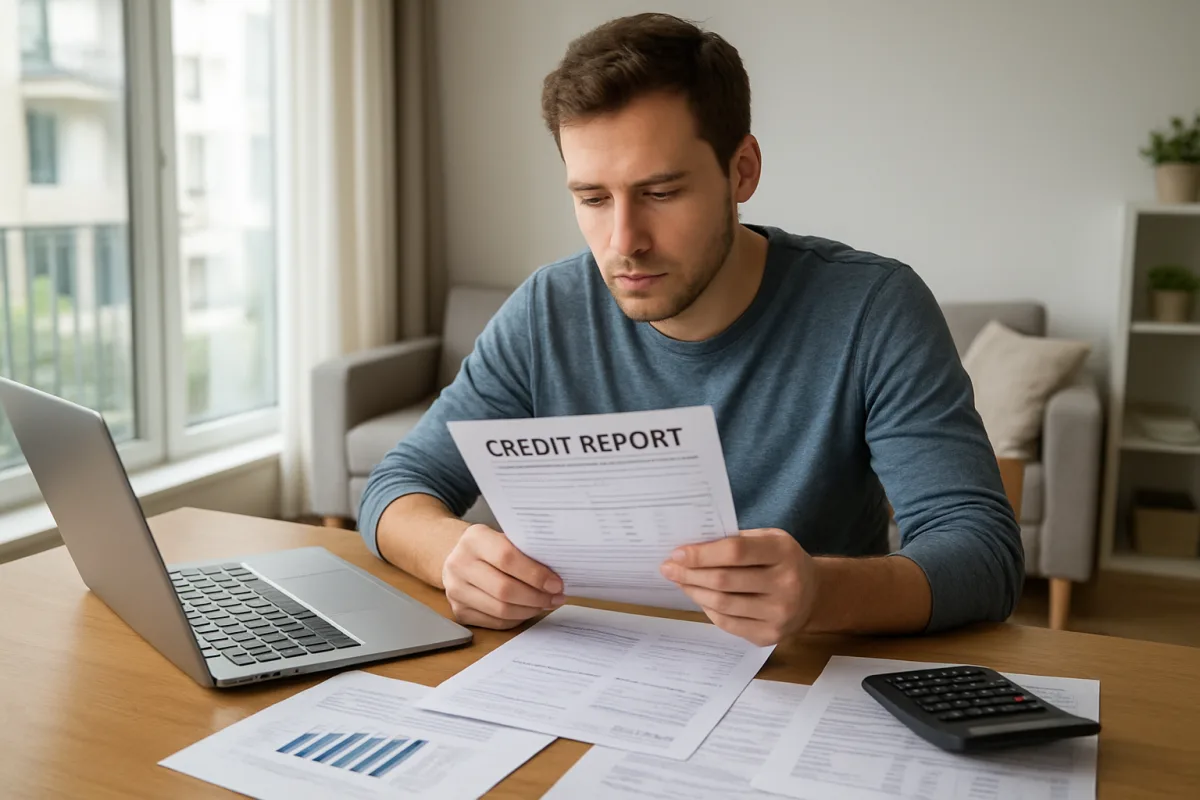
Regular credit report reviews protect your score by catching inaccuracies or unauthorized activity. Check your credit reports from each major bureau through official channels or reputable monitoring services. Scan for correct account balances, payment histories, personal data, and unfamiliar accounts.
If you find mistakes, act quickly by contacting the bureau with documentation. Most provide online tools for disputes. Proactive monitoring also helps detect and resolve identity theft or fraud early.
I recommend setting a quarterly reminder to check your credit reports—you’d be surprised how many people overlook this simple but powerful step in protecting and optimizing their creditworthiness.
Use Secured and Starter Cards Prudently to Build or Rebuild Credit
Secured credit cards and entry-level unsecured cards are practical for building or repairing credit history. With a secured card, you provide a refundable deposit that acts as your credit limit, reducing risk for the issuer while allowing you to demonstrate responsible use. Starter cards, usually unsecured but with lower limits, function similarly as safe starting points for those with limited credit.
Always keep balances low and pay in full each month. Use these cards solely for manageable expenses, building a record of reliability. Once your credit improves, explore cards with better terms or rewards. Think of these products as temporary tools to reach your next financial milestone—not long-term solutions.
I recommend treating secured and starter cards as stepping stones, not permanent solutions—build responsibly, then move on to cards that better match your growing credit profile.
Solid Credit Habits Outperform Quick Fixes in the Long Run
Developing strong, consistent credit habits is the most dependable route to lasting credit score improvement. Paying bills on time, keeping utilization low, being thoughtful with new credit, and regularly checking your reports all help you build genuine credit trust. While quick fixes or trend-driven tactics may offer short-term boosts, they often create risk or lead to setbacks.
In my experience, cultivating long-term habits is the only reliable way to grow your creditworthiness safely and sustainably.
Commit to gradual, responsible behaviors and your credit score will reflect true financial strength—without the dangers of debt or sudden reversals.