How to Use Credit Card Biometric Security Features to Protect Your Identity and Prevent Fraud in 2026
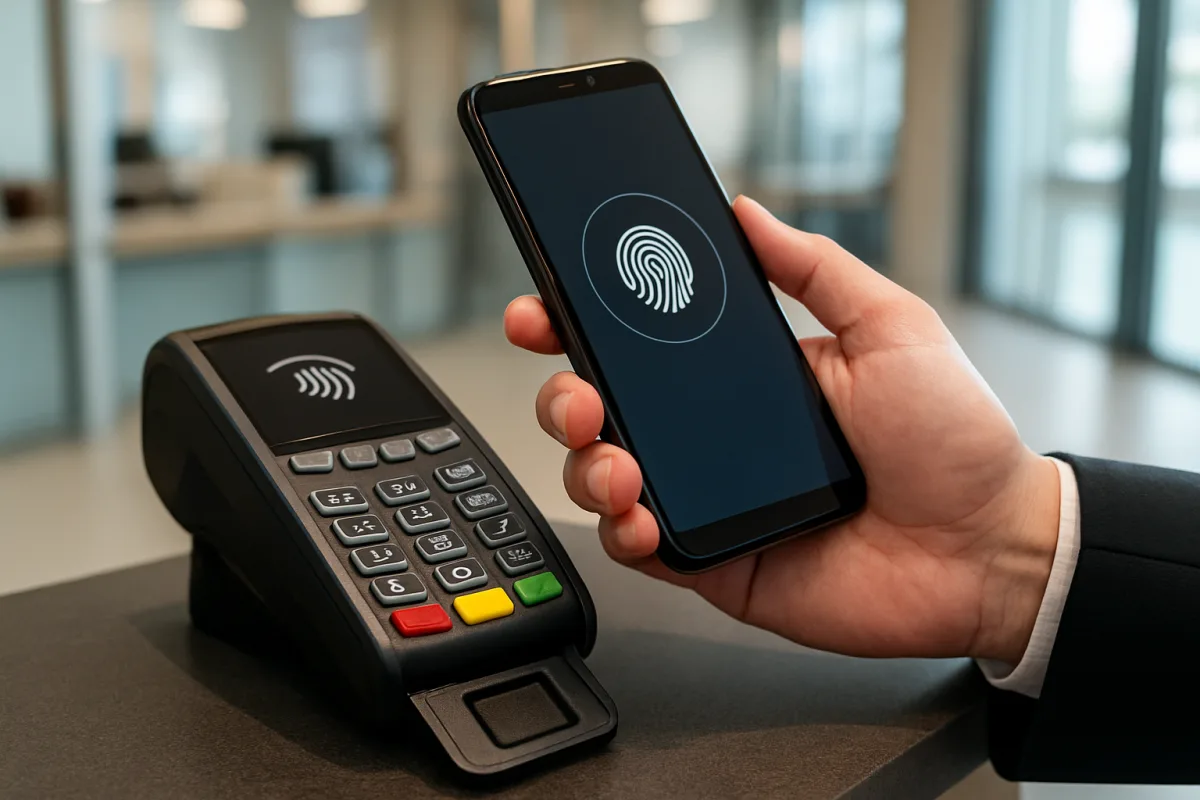
In 2026, leveraging biometric security features on your credit cards is one of the most effective ways to protect your identity and prevent fraud. Modern biometric technologies such as fingerprint scanners, facial recognition, and voice authentication add an extra layer of security beyond traditional PINs and signatures, making unauthorized use of your credit card far more difficult. As someone deeply involved in the best credit cards and rewards programs, I’ve seen firsthand how biometric features are transforming personal finance security, giving consumers peace of mind and protecting their financial lives.
"With biometric authentication becoming standard on the latest credit cards, consumers can reduce fraud risk significantly—by as much as 70% when compared to traditional security methods," says security analyst David Lin.
Understanding Biometric Security Features on Credit Cards
What Are Biometric Security Features?
Biometric security features on credit cards utilize unique physical or behavioral characteristics to verify your identity during transactions. Common biometric options include fingerprint readers embedded in the card, facial recognition via compatible mobile devices, and voice authentication. These features provide an additional authentication step, making it nearly impossible for unauthorized users to complete transactions without your biometric data.
In 2026, most premium and even many standard credit cards now include biometric hardware, reflecting a broader industry shift toward enhancing security. These features are often integrated seamlessly with contactless payment systems, enabling quick and secure transactions at stores, online, or via mobile wallets.
By understanding the different types of biometric technology, you can better select a credit card that aligns with your security needs and lifestyle, especially if you're seeking the best credit cards for rewards or for bad and fair credit that now include cutting-edge features.
How Biometric Security Differs From Traditional Methods
Traditional security methods, such as PINs and signatures, are increasingly vulnerable to theft, skimming, and forgery. Biometric authentication offers a unique advantage because physical traits, like fingerprints or facial features, are extremely difficult to replicate or steal. This significantly reduces the risk of fraud during in-person transactions and when managing online purchases.
Additionally, biometric data is stored securely—usually on the credit card itself or within a secure element in your mobile device—rather than on servers vulnerable to hacking. This local storage approach adds an extra layer of protection, making biometric features a highly secure alternative or supplement to conventional PINs and passwords.
For those seeking the best no annual fee credit cards or the best balance transfer options, possessing biometric security means enjoying enhanced safety without sacrificing convenience or affordability.
How to Enable and Use Biometric Security Features Effectively
Steps to Set Up Your Credit Card’s Biometric Features
- Check Card Compatibility: Ensure your credit card is equipped with biometric hardware—most high-end debit or credit cards issued in 2026 support this feature. Refer to your card issuer's website or contact customer service for confirmation.
- Activate the Biometric Feature: Follow prompts on your banking app or terminal during your initial transaction. You may need to update your app or device to the latest version that supports biometric authentication.
- Register Your Biometric Data: For card-embedded fingerprint readers, you’ll typically scan your fingerprint using the card’s embedded sensor or an app that links your biometric profile securely. For facial recognition, enroll your face through your mobile device’s camera during setup.
- Test the System: Make a small purchase or transaction to verify that biometric authentication is working smoothly. Ensure your fingerprint, face, or voice is correctly recognized and that the process is swift and reliable.
Remember, always keep your device’s biometric data secure and avoid sharing biometric info with anyone. Regularly review your account activity for suspicious transactions, especially after activating new security features.
Best Practices for Using Biometrics Safely and Effectively
- Keep Your Biometric Data Secure: Never share your biometric profiles or leave your device unattended during biometric enrollment or transactions.
- Update Firmware and Apps: Regularly update your banking apps and device firmware to patch security vulnerabilities and improve biometric performance.
- Enable Multi-Factor Authentication: Combine biometric security with other verification methods like PINs or one-time passcodes for an extra layer of protection, especially for high-value transactions.
Common Questions About Biometric Security on Credit Cards
Is biometric security reliable enough for financial transactions?
Yes, biometric security has become highly reliable in 2026, with sophisticated sensors and algorithms that ensure accurate identification. Failures are rare, and multi-factor authentication can mitigate occasional recognition issues.
Can biometric data be hacked or stolen?
Biometric data stored on your credit card or device is secured using encryption and local storage, making theft or hacking very difficult. Unlike passwords, biometric traits are nearly impossible to change if compromised, which is why secure storage and device security are critical.
What are the benefits of using biometric features on my credit card?
Biometric features significantly reduce the risk of unauthorized transactions, provide faster checkout experiences, and eliminate the need to remember PINs or passwords—streamlining both in-person and online shopping.
"Incorporating biometric security features not only enhances safety but also simplifies the user experience—something I always recommend to clients looking for the best rewards credit cards that now prioritize security in 2026," Jade Henderson reflects.
Conclusion: Embracing Biometric Security Features to Safeguard Your Financial Future in 2026
In 2026, utilizing the latest biometric security features on your credit cards is the most effective way to enhance your personal financial security. These advanced authentication methods—such as fingerprint scanners, facial recognition, and voice verification—not only safeguard your identity but also streamline your transactions, providing both safety and convenience. As biometric technologies become ubiquitous across the industry, choosing a credit card with these features is a proactive step toward reducing fraud risks and protecting your financial well-being.
Implementing biometric security requires understanding how to activate and use these features properly, ensuring your data remains secure, and combining them with other multi-factor authentication methods for maximum protection. The integration of biometric solutions into credit card security protocols is setting a new standard in personal finance management, especially when considering rewards programs or credit options for various credit profiles. Staying informed and adopting these technologies now prepares you for a more secure financial future.
As someone who prioritizes both security and rewards, I believe biometric features are revolutionizing the way we protect our assets—making online and in-store transactions safer without sacrificing ease of use. The best way to safeguard your financial life is to stay ahead of these technological advancements and incorporate biometric security into your everyday spending habits.
Take action today by exploring the credit cards that offer biometric security features and upgrading your financial defenses. Your future self will thank you for making security a priority in an increasingly digital world.