Introduction: How Credit Card Design and Features Shape Your Financial Behavior
In the realm of personal finance, the design and features of your credit card can significantly influence your spending habits and overall financial health. From the layout of the card to the multitude of rewards and benefits, these elements can either promote responsible usage or tempt impulsive spending. Understanding how specific features impact your decisions empowers you to select credit cards that align with your financial goals, whether you're aiming to maximize rewards, improve your credit score, or simply manage your budget more effectively.
In this guide, we'll explore the diverse aspects of credit card design, including visual elements, reward structures, interest rates, and supplementary features. By understanding how these factors interact with your spending behavior, you can make informed choices that support a healthier financial future—especially as the credit landscape evolves in 2026 and beyond.
How Card Design Influences Spending Behavior
The Visual Layout and Aesthetics
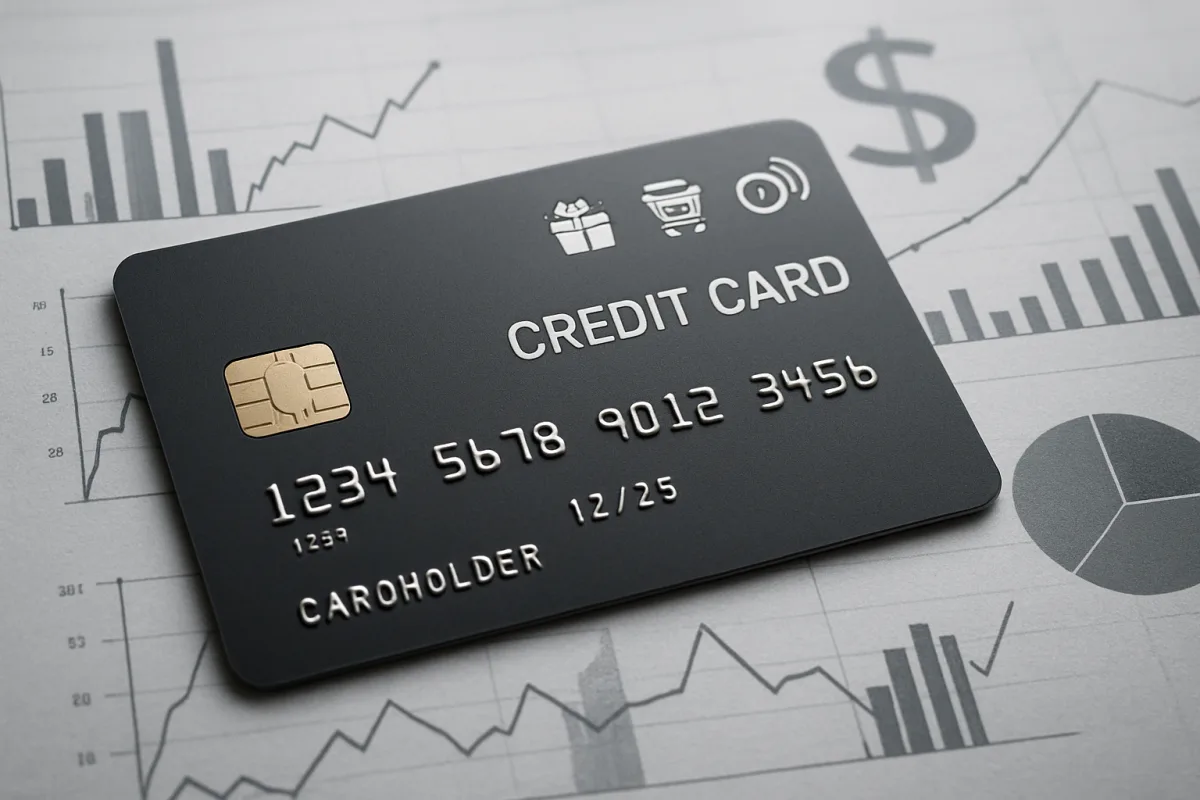
The visual appeal and layout of a credit card can subtly influence how often and how much you spend. A sleek, minimalist design with clear, readable information can promote confidence and responsibility, making it easier to keep track of your balances and due dates. Conversely, flashy designs with bold colors or multiple branding elements might evoke excitement or impulsivity, encouraging more spontaneous spending.
Many premium credit cards incorporate luxury branding and sophisticated aesthetics designed to appeal to high-spenders or reward-seekers. Conversely, simpler designs often found on best no annual fee credit cards tend to appeal to budget-conscious consumers seeking straightforward benefits without extraneous features.
Additionally, the placement and prominence of key information—such as interest rates, rewards, and limits—can influence how often users reference their cards’ terms, subtly impacting responsible use and awareness of potential costs.
The Impact of Reward Presentation and Card Features
How rewards are displayed on a credit card—such as the presence of a dedicated rewards multiplier or visible point tally—can directly motivate users to maximize their benefits. Cards with clearly highlighted cashback percentages or point campaigns can encourage more deliberate spending in specific categories, like best cash back credit cards or best travel credit cards.
Moreover, features like sign-up bonuses or no foreign transaction fee offer additional incentives that impact spending choices—such as increased overseas purchases or applying for multiple cards to maximize bonuses. When designed to be eye-catching and easy to understand, these features foster targeted behavior aligned with your financial aims.
Overall, thoughtful card design that emphasizes beneficial features without overwhelming can foster smarter spending habits and healthier financial routines.
Features That Drive Responsible or Risky Spending
Interest Rates and Payment Options
Features like 0% APR introductory offers or low-interest rates provide opportunities for strategic borrowing—like balance transfers or large purchases—without immediate interest. However, if these features are not clearly communicated or understood, they might lead to prolonged debt accumulation. Conversely, cards with high interest rates can tempt users into overspending or carrying high balances, damaging credit scores over time.
Many of the best balance transfer credit cards are designed with transparency regarding fees and repayment terms, encouraging disciplined payment. The layout of this information influences whether users leverage these features responsibly or succumb to ongoing debt cycles.
Additionally, features like instant approval or easy approval can tempt new applicants to store multiple lines of credit without fully understanding the repayment obligations, potentially impacting their long-term health.
Reward Structures and Incentives
Reward programs are crafted to motivate specific behaviors—be it spending in particular categories, making timely payments, or using the card internationally. Best rewards credit cards often feature tiered earning categories that influence how and where users spend; for example, cashback bonuses on groceries, dining, or travel.
Well-designed reward structures that are simple to understand and track promote ongoing engagement and responsible habits. Conversely, overly complex or hard-to-interpret rewards systems might cause confusion, leading to unintentional overspending or underutilization.
Incentives like sign-up bonuses can provide a quick financial boost but may also encourage users to spend beyond their means to meet bonus thresholds—highlighting the importance of matching card features to your spending discipline.
Specialized Card Features and Their Impact on Financial Health
Cards Designed for Specific Needs
Whether you're focused on rebuilding credit or maximizing rewards, specialized credit cards such as secured credit cards to build credit or best credit cards for bad credit are designed with features that promote healthy usage. These may include lower credit limits, mandatory reporting, or educational tools that guide responsible spending.
Similarly, best student credit cards include features like manageable credit limits, educational resources, and incentivized payments to foster good habits early on. These features influence how students manage their credit lines and establish a foundation for future financial stability.
On the other hand, instant approval credit cards or easiest credit cards to get approved for tend to offer quick access but may lack extensive features or protections, necessitating consumers to be extra vigilant about how these cards influence their spending behaviors.
International Use and Convenience Features
Cards with no foreign transaction fee or built-in travel perks encourage spending during trips abroad, but this can lead to increased expenses if not managed carefully. These features often come with benefits like best travel credit cards preference and can prompt more international spending, which may affect your overall financial health if not budgeted properly.
Secure credit cards used for building credit often incorporate features like additional security layers, extended expiration dates, and alerts—encouraging responsible use and helping prevent fraud or overspending.
Understanding how these features interact with your spending patterns allows you to leverage them for benefits while minimizing potential risks to your financial stability.
Recognition and Approval Speed: How They Influence Spending Decisions
Instant Approval and Easy Approval Cards
Many consumers opt for instant approval credit cards or easiest credit cards to get approved for because of convenience and quick access. While these features can help establish credit or provide emergency funds, they may also lead to impulsive spending if not coupled with disciplined financial habits.
Quick approval often means less time for thorough review—meaning users should be cautious to avoid overspending or choosing cards with high fees or interest rates that could undermine their financial progress.
Using these cards responsibly requires awareness and planning, especially since select cards for bad or fair credit are designed to help rebuild credit but may come with higher costs or less generous benefits.
How to Improve Your Credit Score Fast with Card Features
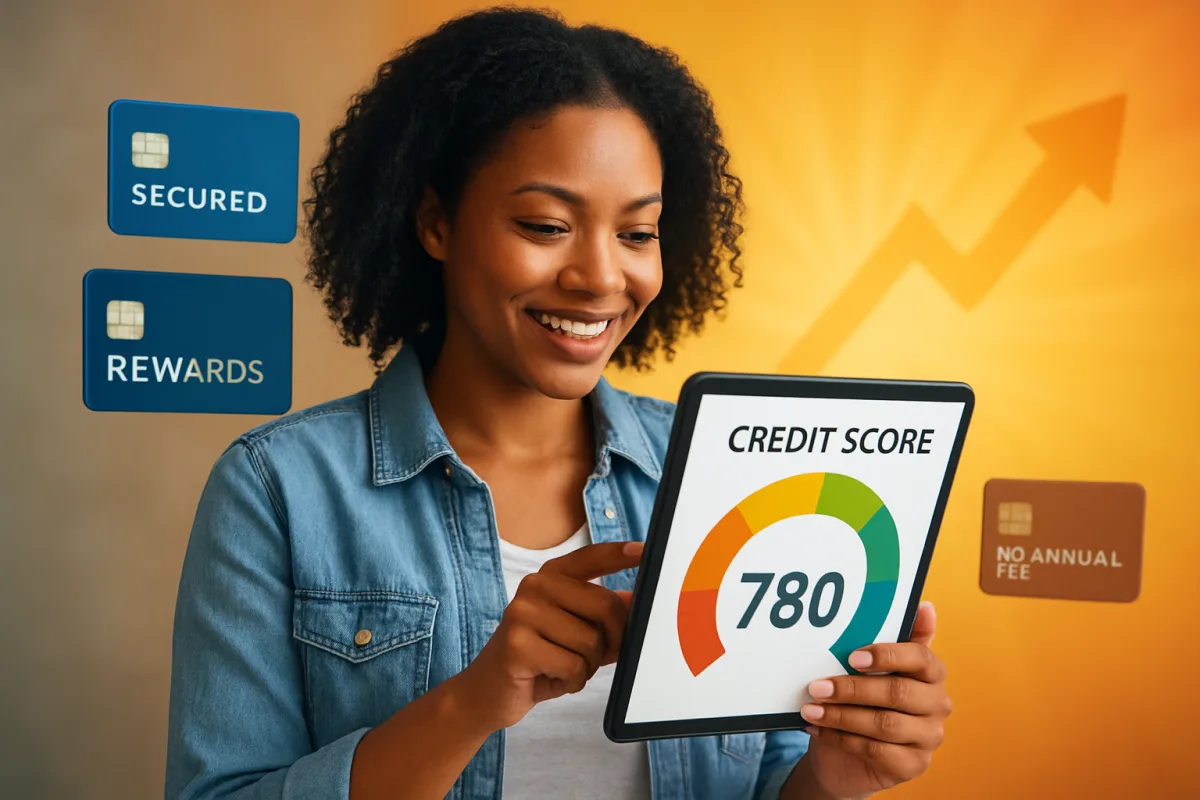
Some cards identify themselves as how to improve your credit score fast tools through features like automatic payments, low utilization requirements, and reporting to all major credit bureaus. Employing these strategically can accelerate your credit rebuilding process.
Choosing cards with features like free monthly credit score updates or educational resources encourages responsible habits and awareness, which are essential in achieving a quick improvement in your overall credit profile.
Recognizing which features support your credit goals helps you select options that maximize credit building while avoiding pitfalls like unnecessary fees or high interest rates that could slow your progress.
Customizing Credit Card Features to Suit Your Spending Patterns
One of the most effective ways to optimize the influence of credit card design on your financial habits is by choosing cards that are customized to your specific spending patterns. Many credit card issuers now offer modular features or personalized options that allow you to tailor rewards, alerts, and notifications to match your lifestyle. For example, if you frequently dine out or travel, selecting a card with elevated rewards in those categories can encourage responsible spending aligned with your goals.
Additionally, some cards allow you to adjust spending limits or temporarily disable certain features, such as foreign transaction capabilities, when not needed. This level of customization provides better control and reduces the likelihood of overspending or misuse. Recognizing your habits and leveraging these customizable elements can help reinforce disciplined financial behavior while maximizing benefits.
Another practical tip is to periodically review and adjust your card settings as your financial situation evolves. If you begin a new career or travel more frequently, updating your reward preferences or alert thresholds ensures your credit card remains a tool for promoting healthy habits rather than inadvertently encouraging risky spending.
The Psychology Behind Card Design and Spending Triggers
Understanding the psychology behind credit card design reveals how visual cues and structural elements can act as subtle triggers for spending. For instance, the use of vibrant colors, iconography, or gamification techniques like progress bars and badges can create a sense of achievement or excitement, prompting users to spend more to unlock rewards or status levels.
Research suggests that when consumers see reward indicators prominently displayed—such as "You’ve earned 5,000 points"—it can activate reward-seeking behavior. This phenomenon, known as the “reward anticipation effect,” can lead users to justify extra spending as a means to reach the next reward milestone.
To mitigate impulsive spending driven by such psychology, consider selecting cards with minimal or neutral visual cues that do not excessively incentivize spending. Furthermore, setting personal boundaries—such as monthly spending caps or using alerts when nearing reward thresholds—can help offset the subconscious triggers embedded in card design.
Tip: Be mindful of visual cues in your credit card environment and set intentional limits to prevent impulsive purchases influenced by reward displays or design elements.
Leveraging Card Features for Budgeting and Financial Planning
Advanced credit card features can serve as valuable tools for budgeting and long-term financial planning. Many modern cards incorporate tools such as spending categorization, real-time alerts, and automated savings options, which help you monitor your expenses and stay within your budget.
For example, some cards allow you to allocate spending limits for different categories—say, dining, groceries, or entertainment—ensuring you do not exceed your predetermined budget. When combined with notifications or push alerts, these features keep you aware of your spending habits in real-time, allowing you to make course corrections proactively.
Furthermore, certain cards include integrations with personal finance apps or provide detailed monthly statements that break down your expenses. Using this data to analyze your habits can identify areas where spending may be spiraling out of control and prompt you to implement strategic adjustments. Over time, these features support the development of disciplined money management and promote greater financial stability.
The Future of Credit Card Design: Technological Innovations and User Experience
As we look toward 2026 and beyond, technological advancements are poised to revolutionize credit card design, placing a stronger emphasis on user experience and seamless integration. Innovations such as biometric authentication, contactless payments, and embedded AI-driven insights will make cards not only more secure but also smarter in guiding your spending behavior.
For instance, biometric security methods—like fingerprint or facial recognition—reduce reliance on traditional PINs or signatures, allowing for faster, more secure transactions. Simultaneously, AI-powered tools integrated within mobile apps can analyze your spending patterns in real-time, offering personalized recommendations to improve financial health or alerting you to unusual activity.
Moreover, the rise of virtual cards and digital wallets enhances convenience while enabling more dynamic control over spending. These features can incorporate customizable controls—such as setting temporary spend limits, excluding certain merchant categories, or enabling layered security—allowing you to tailor your financial interactions proactively.
Insight: Future credit cards will become proactive financial advisors, leveraging cutting-edge technology to help you make smarter spending decisions and maintain better control over your financial health.
Conclusion
In an ever-evolving financial landscape, understanding how credit card design and features influence your spending habits is essential for maintaining healthy finances. Thoughtfully selected cards that align with your personal goals—whether it’s maximizing rewards, building credit, or managing expenses—can serve as powerful tools to promote responsible behavior and foster long-term financial stability. By paying attention to visual cues, reward structures, and innovative features, you can leverage your credit cards not just as payment methods, but as strategic assets that support your financial well-being.
As we look toward 2026 and beyond, future innovations promise even more personalized and secure experiences—empowering you to make smarter decisions effortlessly. Take the time now to evaluate your current credit card choices, explore new options tailored to your needs, and implement smart practices that turn your credit cards into allies for a healthier financial future. Your responsible approach today will lay the foundation for greater financial success tomorrow.