Future Trends in Credit Card Technology: How Innovations Will Transform Consumer Spending
As we look ahead to 2026 and beyond, credit card technology is poised for revolutionary changes that will redefine how consumers spend, save, and manage their finances. From seamless mobile payments to advanced security features, these innovations are set to enhance convenience, boost rewards, and improve financial inclusivity. Staying informed about these trends helps consumers maximize benefits and navigate the evolving landscape effectively.
According to industry experts, the integration of emerging technologies such as AI, blockchain, and biometric authentication will soon become the standard, making transactions safer and more personalized. Understanding these upcoming shifts is essential for leveraging the best credit cards tailored to your financial goals, whether you seek cashback, travel perks, or credit rebuilding strategies.
Emerging Technologies Reshaping Credit Card Usage
1. Biometric Authentication and Secure Payments
Biometric authentication, including fingerprint, facial recognition, and voice scans, is transforming how consumers verify transactions. Major issuers are embedding these features into their credit cards and mobile apps to enhance security and reduce fraud.
Benefits of biometric authentication include faster checkout processes, reduced dependence on PINs or passwords, and increased confidence in digital transactions. For instance, in 2026, over 70% of new credit cards include biometric login options, making purchases both seamless and secure.
Moreover, biometric-enabled cards can help those with bad or fair credit access financial services more comfortably, reducing barriers caused by traditional identification methods.
2. Rise of Contactless and Mobile Payments
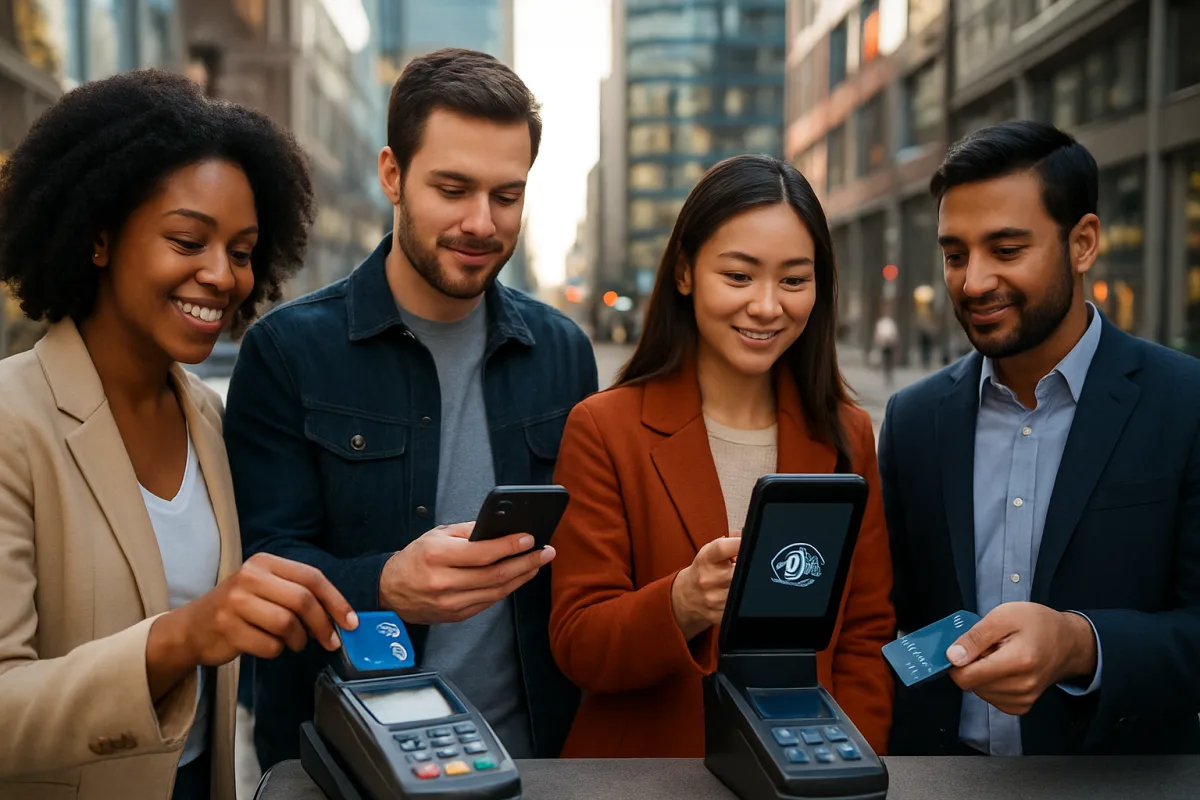
Contactless card payments and mobile wallets like Apple Pay, Google Pay, and Samsung Pay are dominating the payment scene. Consumers now favor tapping their cards or smartphones over swiping or inserting chips, thanks to faster, hygienic, and secure transactions.
By 2026, it’s projected that over 85% of transactions will involve contactless payments in the US. This shift benefits travelers, busy professionals, and students who seek quick, frictionless financial interactions.
Additionally, these innovations facilitate intuitive reward tracking, enabling consumers to see cashback or points accumulate instantly, encouraging smarter spending habits.
3. Blockchain and Cryptocurrency-Integrated Credit Cards
Blockchain technology and cryptocurrency integration are gradually entering the mainstream credit card ecosystem. Some issuers now offer cards that allow users to earn or spend crypto earnings directly, transforming digital assets into everyday transactions.
The advantages include increased transparency, lower transaction fees, and new opportunities for earning rewards with digital currencies. As of 2026, more credit cards are offering crypto rewards and seamless conversions, appealing especially to tech-savvy consumers and investors.
"The future of credit cards will blend traditional financial tools with blockchain innovations to offer unprecedented security and flexibility."
- Gina Barton, Credit Industry Analyst
Personalized Spending and Reward Optimization
1. AI-Driven Spending Analytics
Artificial Intelligence is revolutionizing how consumers understand and optimize their spending behaviors. AI-powered platforms analyze your transaction history to suggest personalized rewards, budgeting tips, and targeted offers tailored to your habits.
This technology enables users to choose the best credit cards for cashback, travel, or groceries by providing data-driven recommendations, ensuring maximum reward earnings without overspending.
For example, AI tools can notify you when your current card offers the highest cashback for your weekly grocery shop, helping you squeeze more value from every dollar spent.
2. Dynamic Reward Programs and Real-Time Offers
Dynamic rewards platforms enable real-time adjustments based on user preferences, seasonal offers, and external factors like market trends. Consumers can receive instant notifications for exclusive sign-up bonuses or bonus categories that align with their typical spending patterns.
This personalization not only enhances user engagement but also maximizes return on spending. In 2026, flexible reward programs are expected to become standard, allowing consumers to customize their benefits actively.
Furthermore, some credit cards are integrating with location-based services to offer targeted deals, encouraging travel, dining, or shopping during specific times or locations.
3. Enhancing Fair and Bad Credit Card Options with Tech
Technological advancements are making it easier for consumers with fair or bad credit to rebuild their credit scores. Innovative secured and instant approval credit cards now utilize algorithmic underwriting to evaluate non-traditional factors like utility payments or rent history.
This approach broadens access and helps users establish a positive credit history faster. In 2026, expect more offerings that combine AI assessments with user-friendly features, fostering greater financial inclusion.
"The next wave of credit card technology will democratize access, empowering people to improve their credit standing with smarter tools and fairer approval processes."
- Gina Barton, Financial Technology Expert
Security and Privacy Innovations Expected in 2026
1. Advanced Fraud Detection and Prevention
Security continues to be paramount, and in 2026, real-time AI-driven fraud detection will be more sophisticated than ever. These systems monitor transactions instantly, flag suspicious activity, and even automatically lock accounts if fraud patterns emerge.
Enhanced encryption protocols and multi-factor authentication (beyond biometrics) will further secure consumer data and prevent identity theft. Cards issued with embedded microchips will serve as a critical layer of security, making cloning and skimming nearly impossible.
2. Privacy-First Payment Technologies
With growing concerns about data privacy, new credit card solutions will emphasize user control over personal information. Blockchain-based identity verification tools will enable consumers to authorize specific transactions without exposing sensitive data.
Furthermore, the adoption of zero-knowledge proofs will allow transactions to be verified without revealing underlying personal details, strengthening privacy while maintaining security.
3. Integration of IoT and Wearable Devices
The Internet of Things (IoT) and wearable technologies will play a prominent role in payment systems. From smartwatches to connected rings, these devices will facilitate instant, secure payments with minimal user effort.
Wearable cards and devices will incorporate embedded security features, biometric authentication, and real-time fraud alerts, making spending both effortless and safe for everyday consumers—including those rebuilding credit or seeking low-interest options.
Conclusion: Embracing the Future of Credit Card Technology in 2026 and Beyond
As credit card technology continues to evolve rapidly, the innovations discussed—ranging from biometric authentication and contactless payments to AI-driven rewards and blockchain integration—are transforming consumer spending in profound ways. These advancements not only enhance security and ease of use but also democratize access to credit, making financial tools more inclusive and tailored to individual needs. Whether you're seeking the best cashback rewards, rebuilding credit, or exploring travel perks, staying informed and adaptable is key to maximizing value in this dynamic landscape.
Looking ahead, it’s clear that the convergence of AI, blockchain, and IoT will make credit card transactions more secure, personalized, and seamless than ever before. Consumers who leverage these innovations will find themselves better equipped to optimize rewards, protect their identities, and enjoy smarter financial management. As someone deeply invested in financial technology, I believe embracing these changes is essential for anyone wanting to stay ahead and make the most of their financial journey in the years to come.
The future of credit cards will blend traditional financial tools with blockchain innovations to offer unprecedented security and flexibility.
- Gina Barton, Credit Industry Analyst
Now is the perfect time to review your existing credit card options and consider how emerging technologies can serve your financial goals. Whether you're seeking the best credit cards with no foreign transaction fees, low interest rates, or instant approval benefits, exploring these innovations will allow you to make informed decisions. Don’t wait—take action today and position yourself to benefit from the transformative changes coming in 2026 and beyond.