Emerging Trends in Credit Card Security for 2026: What Consumers Must Know
As we move further into 2026, credit card security continues to evolve rapidly, driven by technological advancements and increasing cyber threats. Staying informed about these emerging trends is crucial for consumers who want to protect their financial data, maximize rewards, and enjoy seamless transactions. From biometric verification to AI-driven fraud detection, the future of credit card security is more sophisticated—and more vital—than ever before.
"In 2026, credit card security innovations are no longer optional—they are essential for safeguarding your financial life in a digital-first world." — Matthew Bryant
Advanced Biometric Authentication: Enhancing Security and Convenience
Fingerprint, Facial Recognition, and Beyond
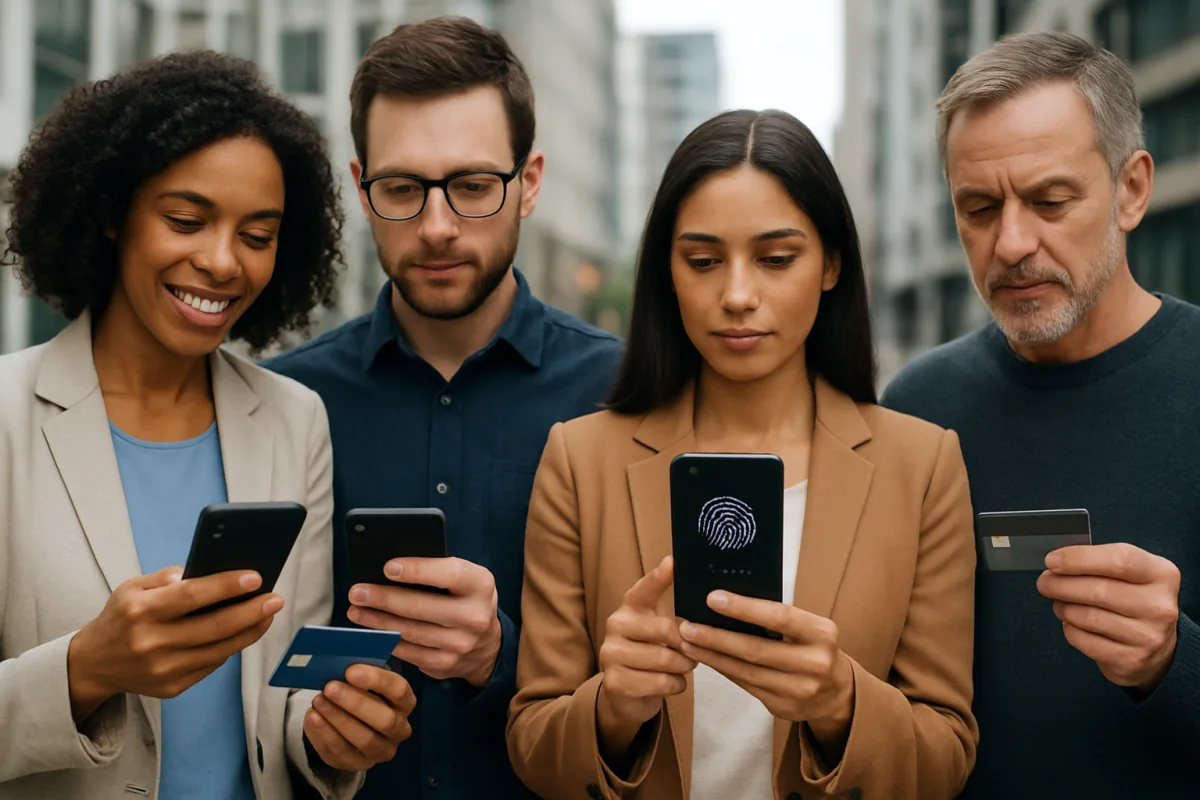
Biometric authentication has become one of the most prominent security features in credit cards for 2026. Several top issuer programs now incorporate fingerprint scanning and facial recognition technology directly into cardholders’ smartphones and even into the credit card itself. These methods significantly reduce fraud by ensuring that only the authorized user can approve transactions.
Many issued cards now support biometric verification for online and in-store purchases. For example, mobile wallet apps like Apple Pay and Google Pay leverage biometric data to authorize payments, providing a seamless yet secure user experience. This shift enhances both security and convenience, reducing reliance on PINs and passwords, which are vulnerable to theft.
From a personal perspective, I believe biometric security offers a perfect balance—making fraud more difficult while preserving the impulse to earn top rewards without hassle.
FAQ: How does biometric authentication improve credit card security?
Biometric authentication links a user's unique physical traits—such as fingerprints or facial features—to their account, making it exceedingly difficult for criminals to impersonate a legitimate user. This layered approach prevents unauthorized transactions even if a thief has stolen card details or gained physical access to the card.
Tokenization and Dynamic Data: The New Standard in Card Security
What is Tokenization?
Tokenization replaces sensitive credit card information with a unique, randomly generated token during transactions. This means that even if data is intercepted, it’s meaningless outside the specific transaction, drastically reducing the risk of data breaches.
Dynamic Card Data for Online Shopping
Many issuers now offer virtual card numbers that change with each online purchase or after a limited time, known as dynamic data. This feature enables consumers to shop securely without exposing their primary credit card details, which is a game-changer especially for online shopping and subscriptions.
For instance, services like Apple Card or Citi Virtual Account Numbers generate temporary data for purchases, making it almost impossible for hackers to reuse stolen info elsewhere.
"Tokenization combined with dynamic card data is revolutionizing the way we protect online transactions in 2026." — Matthew Bryant
AI-Powered Fraud Detection and Monitoring
The Role of Artificial Intelligence in Detecting Fraud
Artificial Intelligence (AI) has become the backbone of credit card fraud detection systems. Using machine learning algorithms, financial institutions analyze millions of transaction patterns in real-time to identify anomalies that suggest fraudulent activity. This proactive detection drastically reduces the likelihood of successful attacks.
In 2026, sophisticated AI models now distinguish between legitimate purchases and suspicious activity with near-perfect accuracy, often preventing fraud before a transaction is even completed. For consumers, this means faster resolutions of false positives and fewer inconveniences.
How Consumers Benefit from AI Security Measures
Consumers now receive instant alerts for unusual transactions, and many banks automatically block suspicious activity, requesting confirmation before proceeding. Additionally, AI assists in verifying identity through behavioral biometrics—analyzing typing patterns, device usage, and other subtle cues to authenticate users seamlessly.
FAQ: Can AI security systems prevent all credit card fraud?
While AI systems greatly reduce the risk of fraud by catching many attempts early, no system is infallible. Continuous improvements and layered defenses, including biometric authentication and tokenization, create a comprehensive security framework that protects consumers effectively.
Enhanced EMV Chip Technology and Contactless Security
Chip and PIN Innovations
EMV chip cards continue to evolve, with new standards reinforcing encryption and transaction validation methods. In 2026, embedded chips now utilize quantum-resistant cryptography, making data easier to encrypt and harder to crack. This ensures that even in high-risk situations, your payment data remains protected.
Secure Contactless Payments
While contactless payments have become commonplace, the latest enhancements focus on security. Many cards now incorporate "dynamic CVV" technology, where the verification code changes periodically, preventing skimming or data theft from stolen cards. Consumers enjoy quick transactions without sacrificing safety.
FAQ: Are contactless payments safe in 2026?
Yes, especially with advancements like dynamic CVV and tokenization. These features ensure that contactless transactions are just as secure as chip-enabled or PIN-based payments, provided users remain vigilant against physical theft and fraud.
Blockchain and Decentralized Security Measures
Blockchain Integration in Credit Card Networks
Blockchain technology is beginning to play a role in credit card security, ensuring transparency and tamper-proof transaction records. Certain issuers are experimenting with blockchain-based verification for large or high-risk transactions, adding an extra layer of trust and security.
Decentralized Identity Verification
This approach allows consumers to control their identity data using decentralized apps, sharing only necessary information for verification without exposing sensitive data to potential breaches. It minimizes data storage risks at the issuer level.
"Blockchain's immutable ledger is transforming credit card security, making fraud and identity theft increasingly difficult." — Matthew Bryant
Conclusion: Embracing the Future of Credit Card Security in 2026 and Beyond
Credit card security in 2026 is marked by cutting-edge innovations like biometric authentication, tokenization, AI-powered fraud detection, and blockchain integration. These technological advances collectively create a robust, layered defense system that significantly reduces the risk of theft, unauthorized transactions, and data breaches. Consumers who stay informed and utilize these features will enjoy not only enhanced protection but also a smoother, more convenient transaction experience.
As the landscape continues to evolve, it is essential for consumers to leverage the latest security measures available through their credit card providers. From virtual card numbers to behavioral biometrics, these tools are designed to keep your financial information safe while optimizing your rewards and benefits. Being proactive and embracing these innovations is the best way to navigate the increasingly complex world of digital payments securely and confidently.
As someone deeply invested in financial security, I believe that staying ahead of emerging threats by adopting advanced technologies like biometric verification and decentralized identity verification is essential. The future belongs to those who prioritize security without compromising convenience—so my advice is to seek out credit products that incorporate the latest security features and use them responsibly.
Now is the perfect time to review your current credit card options, ensure they are equipped with the latest security features, and adopt best practices for safeguarding your financial data. Doing so will empower you to maximize rewards while confidently navigating the digital payment landscape in 2026 and beyond.